
Engineering Operations Software for Tech Leads & Developers
Managing Development Work, Tracked Time, Developer Capacity, Project Delivery, & AI-Assisted Workflows
Collabix helps tech leads coordinate developers without adding unnecessary operational noise. Keep tasks, time tracking, workload visibility, project communication, and delivery context connected while developers stay focused on the work that matters.

Built specifically for Tech Leads & Engineers
Designed to replace disconnected spreadsheets with one consolidated system.
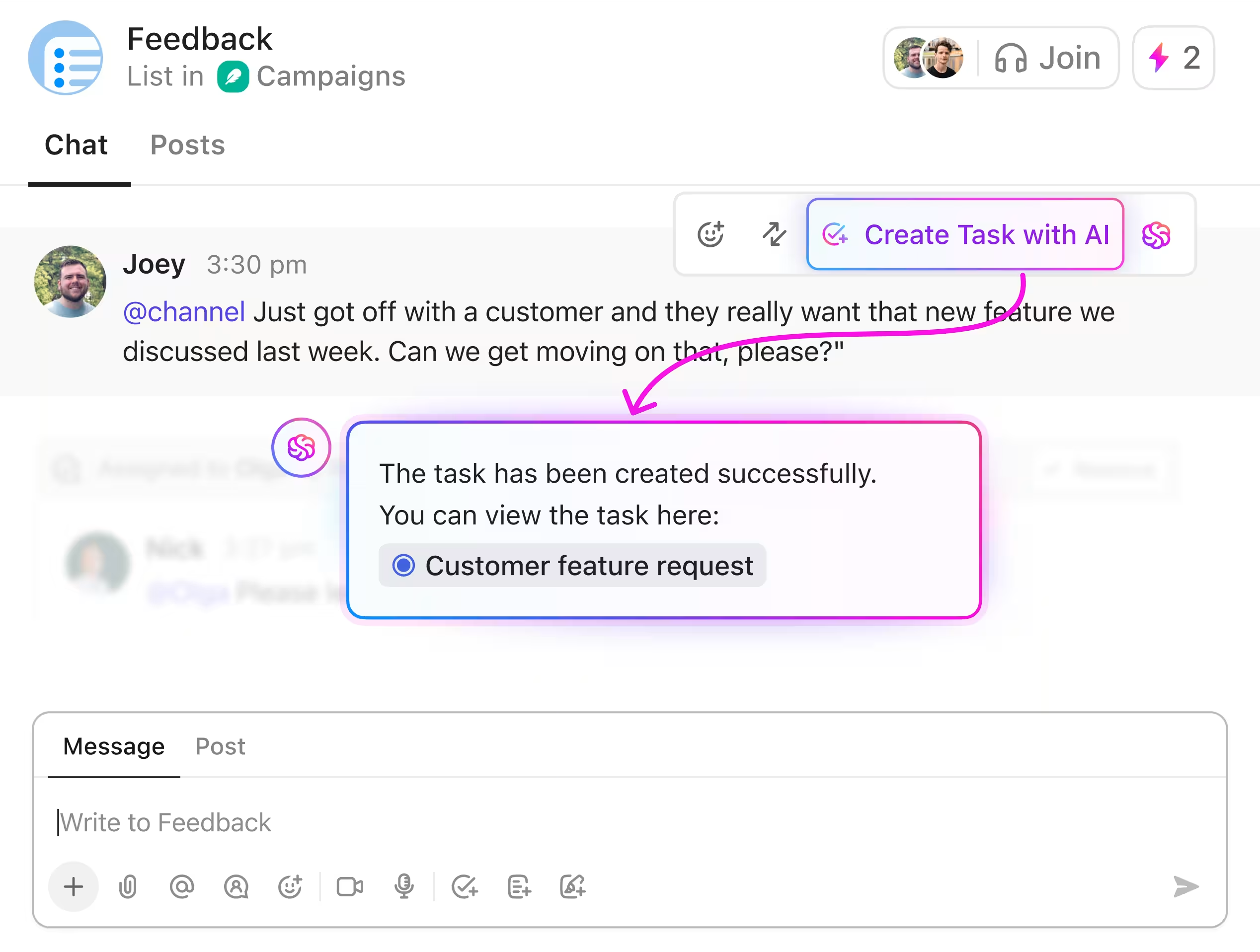
Unified Workspace for Tech Leads & Engineers
Coordinate projects, track billable hours, manage member bandwidth, and share live client reports in real-time.
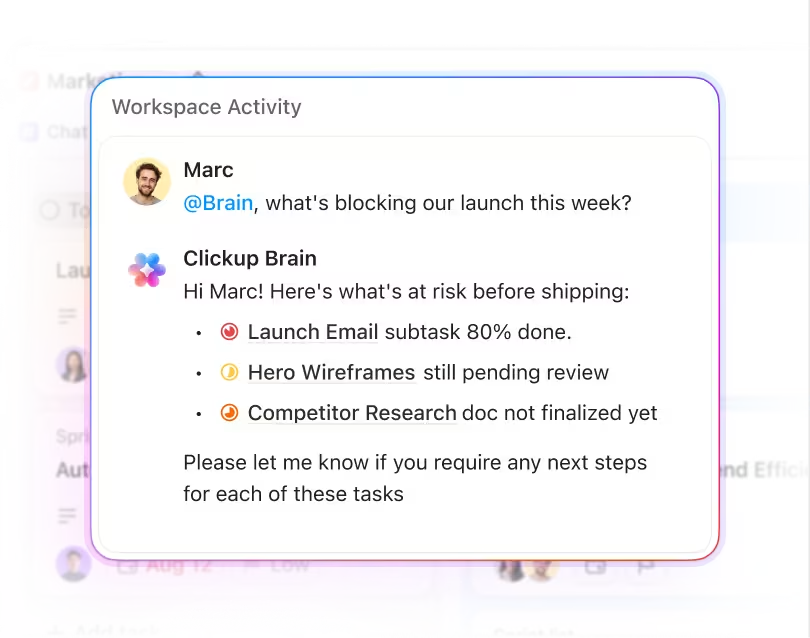
Automated Operations with Zero Friction
Eliminate manual status emails and billing discrepancies with automatic desktop time diaries and proof-of-work captures.
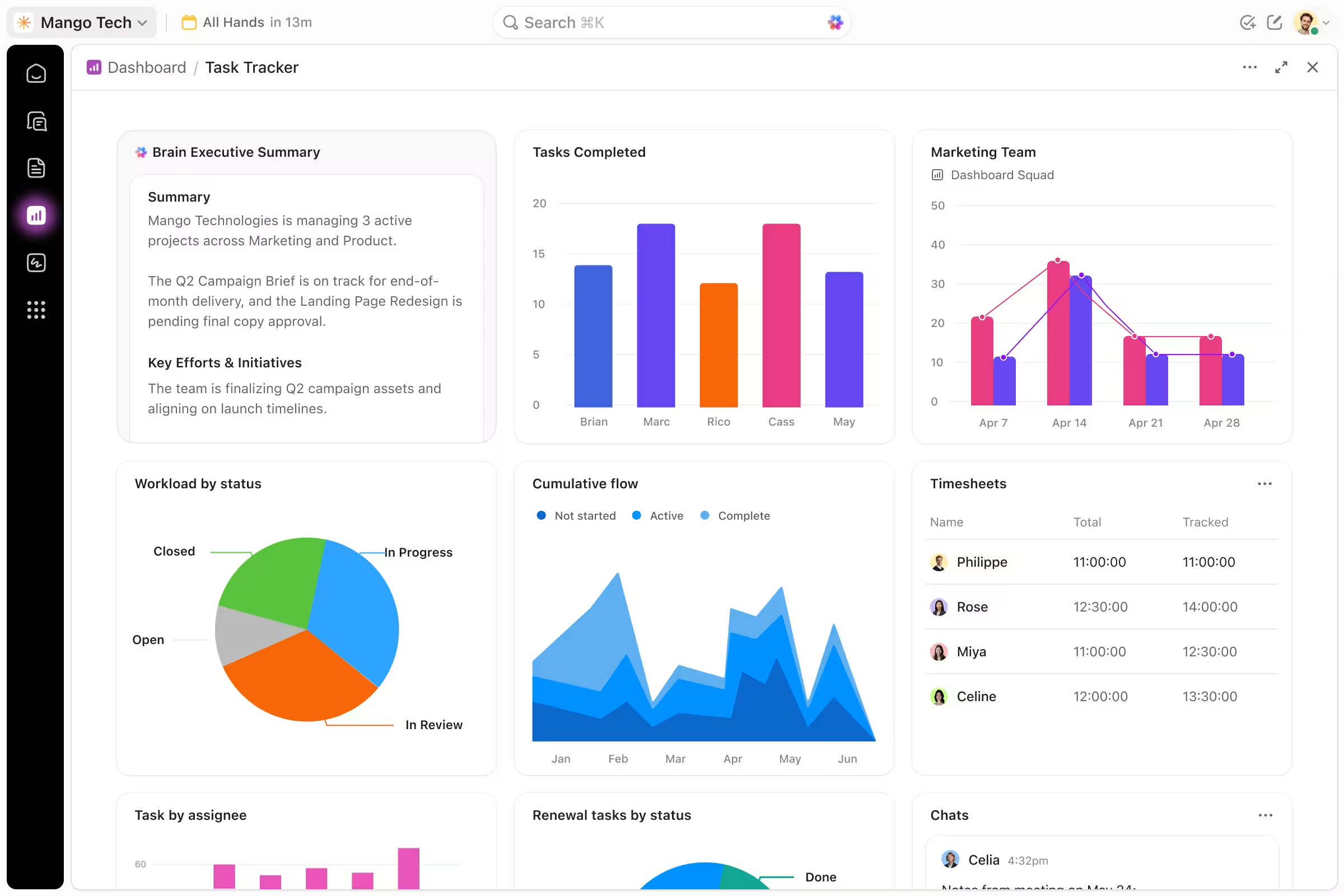
Real-Time Bandwidth & Capacity Heatmap
Balance workloads across developers, designers, and managers before project burnout happens.
Dispute-Free Billing & Retainer Audits
Export itemized time audit reports with screenshot receipts to guarantee 100% transparent client invoicing.
Keep Developers Focused on Deep Work
Engineering productivity drops when developers constantly switch between task managers, timers, communication tools, reporting systems, and project dashboards.
Collabix brings core engineering operations closer together so developers can spend less time managing tools and more time shipping work.
Teams can organize technical responsibilities with tasks and subtasks, giving developers a clear view of assigned work without creating unnecessary process overhead.
For visual delivery management, project boards help technical leads understand what is planned, in progress, blocked, or complete.
A simpler workflow helps engineering teams maintain focus while still giving leads enough operational visibility.
Track Development Time With a Native Desktop Workflow
The current Tech Leads page is specifically positioned around an ultra-lightweight native desktop app with one-click timers. screencapture-thecollabix-solut…
Collabix provides a desktop app alongside desktop time tracking, helping developers connect recorded time with actual project work.
This can reduce friction around time tracking because developers do not need to repeatedly leave their normal workflow simply to record activity.
Tracked time can provide useful operational context around:
Feature development
Bug fixes
Technical discovery
QA
Client support
Code review
Development retainers
Internal engineering work
Time data should support delivery visibility, not distract developers from delivery itself.
Connect AI Workflows With Engineering Operations
The current page also positions Collabix around AI and Model Context Protocol (MCP) integrations for developer workflows. screencapture-thecollabix-solut…
Collabix's AI & MCP functionality can help connect AI-assisted workflows with operational project context.
For technical teams, this creates opportunities to bring project information closer to the AI tools developers already use, rather than treating AI assistance as a completely separate workflow.
Engineering teams can maintain clearer context around tasks, project progress, and operational information while incorporating AI into day-to-day development processes.
Give Tech Leads Clearer Visibility Without Micromanagement
Technical leads need to understand how engineering work is progressing, but constantly asking developers for updates creates unnecessary interruption.
Collabix provides a more structured view of work through tasks, project boards, tracked time, workload information, and delivery milestones.
Tech leads can review:
Active development work
Assigned responsibilities
Project status
Blocked tasks
Developer workload
Available capacity
Tracked effort
Major delivery milestones
This gives leaders better context without requiring developers to continually prepare manual status reports.
Plan Developer Capacity Before Assigning More Work
Development teams often share specialists across several projects.
A senior developer may support architecture on one client account, feature delivery on another, and technical review across several teams.
Collabix provides team capacity planning, helping tech leads understand available developer bandwidth before assigning additional work.
This can help answer practical questions such as:
Which developers have capacity?
Who is already overloaded?
Are sprint commitments realistic?
Are multiple projects competing for the same specialist?
Should work be redistributed?
Is additional engineering capacity required?
Capacity visibility helps teams make more realistic commitments.
Identify Developer Workload Bottlenecks
Capacity gives one view of resource availability. Workload distribution provides another.
The visual workload heatmap helps technical and operations leads review where work is concentrated across the engineering team.
This can help identify:
Overloaded developers
Uneven task distribution
Resource bottlenecks
Competing project commitments
Specialists carrying too much critical work
Team members with available bandwidth
Earlier visibility makes workload problems easier to address before they affect delivery.
Monitor Engineering Utilization
Collabix provides member utilization insights, helping leaders understand how available team capacity is being used.
For engineering teams, this can provide context around:
Resource allocation
Billable development work
Available developer capacity
Project demand
Staffing pressure
Long-term hiring needs
Utilization should not be treated as a simplistic productivity score.
It is most useful when reviewed alongside workload, project commitments, delivery quality, and available capacity.
Track Project Milestones Alongside Development Work
Engineering work often contributes to larger project phases.
A feature may be part of a beta release. A migration may depend on technical QA. A development sprint may support an upcoming client launch.
Collabix provides project milestones, helping tech leads connect daily development work with larger delivery objectives.
This gives engineering teams a clearer understanding of how individual tasks contribute to broader project outcomes.
For teams managing structured sprint delivery, sprint and milestone workflows provide additional support for phase-based delivery planning.
Keep Technical Communication Connected to Projects
Engineering decisions often involve architecture discussions, technical blockers, implementation tradeoffs, and changes in scope.
When those discussions happen entirely outside the project workflow, important context can become difficult to recover.
Collabix provides project channels so technical discussions can remain closer to the projects they affect.
For wider engineering collaboration, group discussions give teams another way to coordinate around shared topics.
Keeping project communication connected to delivery reduces context loss.
Review Developer Work With More Context
Some agencies require additional visibility into remote or distributed development activity.
Collabix provides a work diary that gives teams a more organized view of recorded work.
Where appropriate, automated screenshots and activity tracking can provide additional work context alongside tracked time.
For teams requiring stronger documentation, Collabix also supports proof-of-work audit workflows.
These features should support accountability and project visibility without replacing evaluation of actual engineering outcomes.
Detect Unsustainable Overtime
Short periods of intense delivery can happen in software projects, but repeated overtime may indicate unrealistic sprint commitments, staffing problems, or expanding scope.
Collabix provides active time and overtime tracking, giving technical leads additional context around extended work patterns.
When reviewed alongside team capacity and workload, this can help managers determine whether:
Deadlines need adjustment
Work should be redistributed
Scope has increased
Estimates need improvement
Additional engineering resources are required
The objective should be sustainable development rather than normalizing constant overtime.
Coordinate Engineering With Design and Account Teams
Technical teams rarely work in isolation.
Developers may depend on designs, client approvals, product decisions, or account-team communication before work can progress.
Collabix supports cross-departmental collaboration, helping technical and non-technical teams maintain shared project context.
This can make handoffs easier when work moves between:
Design and development
Development and QA
Technical and account teams
Engineering and client stakeholders
Strategy and implementation
A connected workflow helps reduce delays caused by missing information or unclear ownership.
Support Software Development Agency Operations
For agencies where engineering is the core service, tech-lead workflows need to connect with the broader agency operation.
Collabix provides dedicated software development agency management, connecting sprint delivery, developer capacity, time tracking, client work, and operational visibility.
This allows engineering leadership to manage technical delivery without separating development completely from agency operations.
Project management, account management, resource planning, and technical execution can remain part of one connected system.
Use Analytics to Understand Engineering Delivery
Tech leads often need a broader operational view than individual tasks or commits.
Collabix provides agency analytics and performance reports, helping teams review delivery alongside workload, time, capacity, and utilization information.
This can provide useful context around:
Engineering workload
Tracked effort
Resource allocation
Project delivery
Utilization
Capacity
Operational bottlenecks
Analytics should support engineering leadership decisions rather than replace technical judgment.
Built for Modern Engineering Teams
Collabix can support:
Software development agencies
Engineering teams
Technical leads
Development managers
Remote development teams
Full-stack teams
Front-end teams
Back-end teams
Product engineering teams
Dev agencies
Shopify development teams
Whether developers work across one large project or several client accounts, connected operational visibility helps technical leaders manage delivery with less friction.
Bring Engineering Operations Into One Workspace
Engineering teams can use Collabix to connect:
This creates a more connected operating environment for technical teams without forcing developers into an overly complicated project-management process.
Give Developers Focus and Tech Leads Visibility
Keep development work focused while giving technical leaders clearer visibility into projects, developer capacity, tracked time, workloads, and delivery. Bring engineering operations together without adding unnecessary process overhead.
Frequently Asked Questions
Everything you need to know about this service.
Engineering operations software helps technical teams manage the operational side of software delivery, including tasks, projects, time tracking, workload, team capacity, communication, milestones, and reporting.
Yes. Collabix includes team capacity and workload features that can help technical leads understand available bandwidth before assigning additional work.
Yes. Collabix includes desktop time-tracking functionality designed to connect recorded time with project and task workflows.
The current Tech Leads page positions Collabix around AI and Model Context Protocol integrations for developer workflows.
Yes. Collabix supports tasks, project boards, milestones, capacity, time tracking, communication, and sprint-related workflows that can support agile development teams.
Yes. Collabix includes capacity, workload, and utilization visibility that can help technical leads understand how work is distributed across developers.
Yes. Desktop time tracking, work diaries, project communication, workload visibility, and proof-of-work functionality can support distributed development workflows.
Yes. Collabix includes dedicated workflows for software development agencies, including project delivery, developer capacity, time tracking, milestones, collaboration, and client work.