
Project Milestone Tracking Software for Agency Delivery
Turn Complex Client Roadmaps Into Clear Project Phases, Measurable Milestones, & Visible Delivery Progress
Collabix helps agencies organize fixed-scope work, connect milestones with tasks and tracked time, distribute work across multiple assignees, and give delivery teams a clearer view of what has been completed and what still needs attention.
Keep project phases, workload, progress, and client delivery connected from kickoff through final completion.

Built specifically for Sprint Milestones
Designed to replace disconnected spreadsheets with one consolidated system.
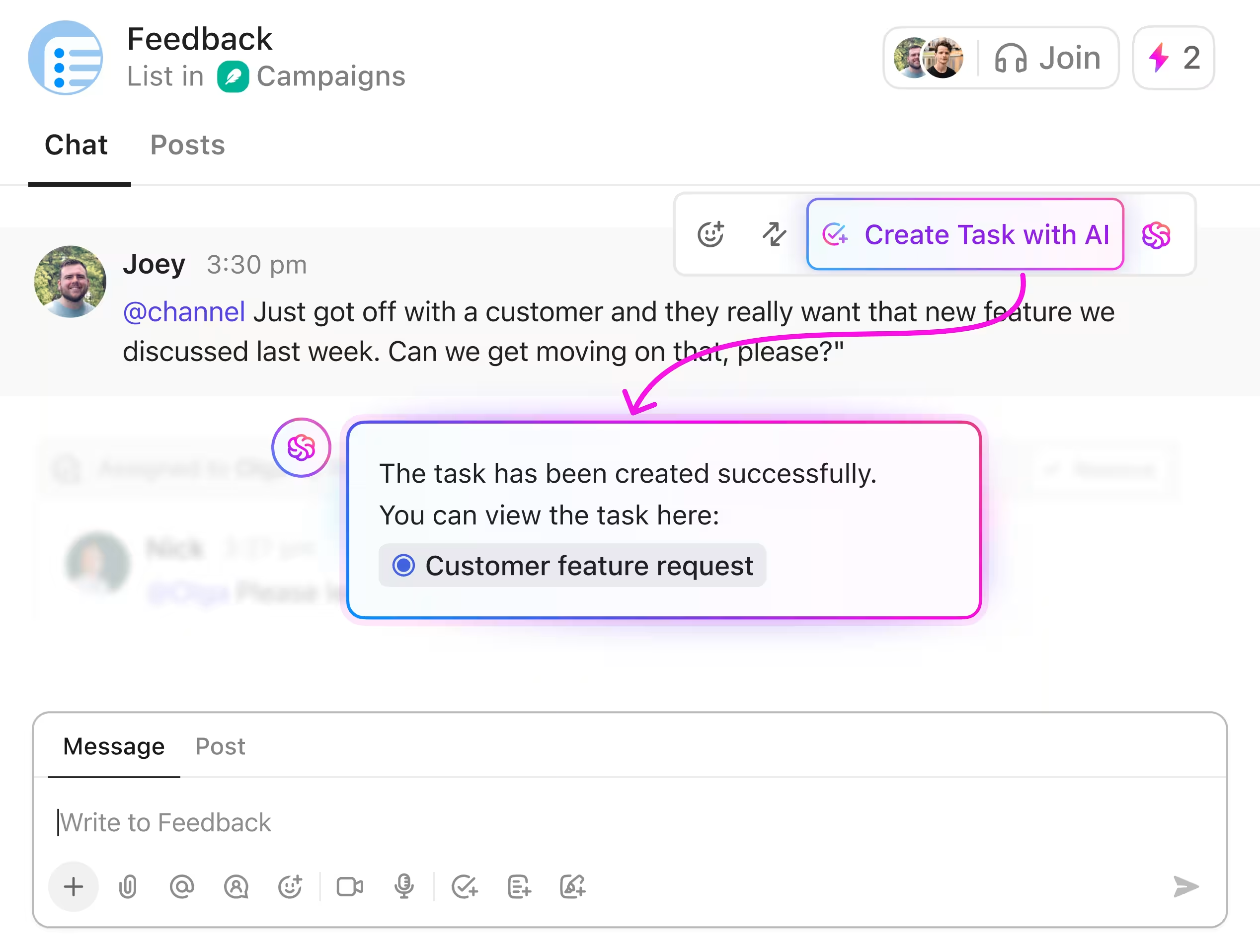
Unified Workspace for Sprint Milestones
Coordinate projects, track billable hours, manage member bandwidth, and share live client reports in real-time.
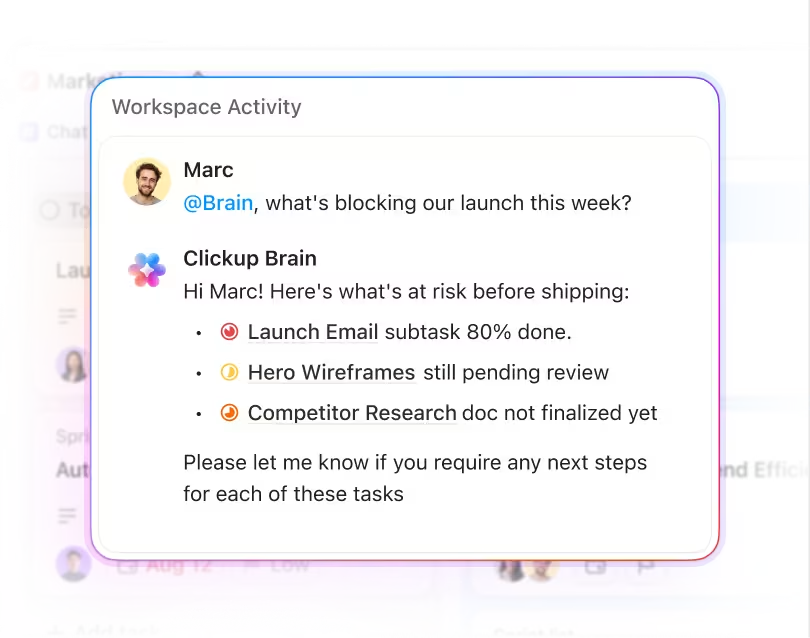
Automated Operations with Zero Friction
Eliminate manual status emails and billing discrepancies with automatic desktop time diaries and proof-of-work captures.
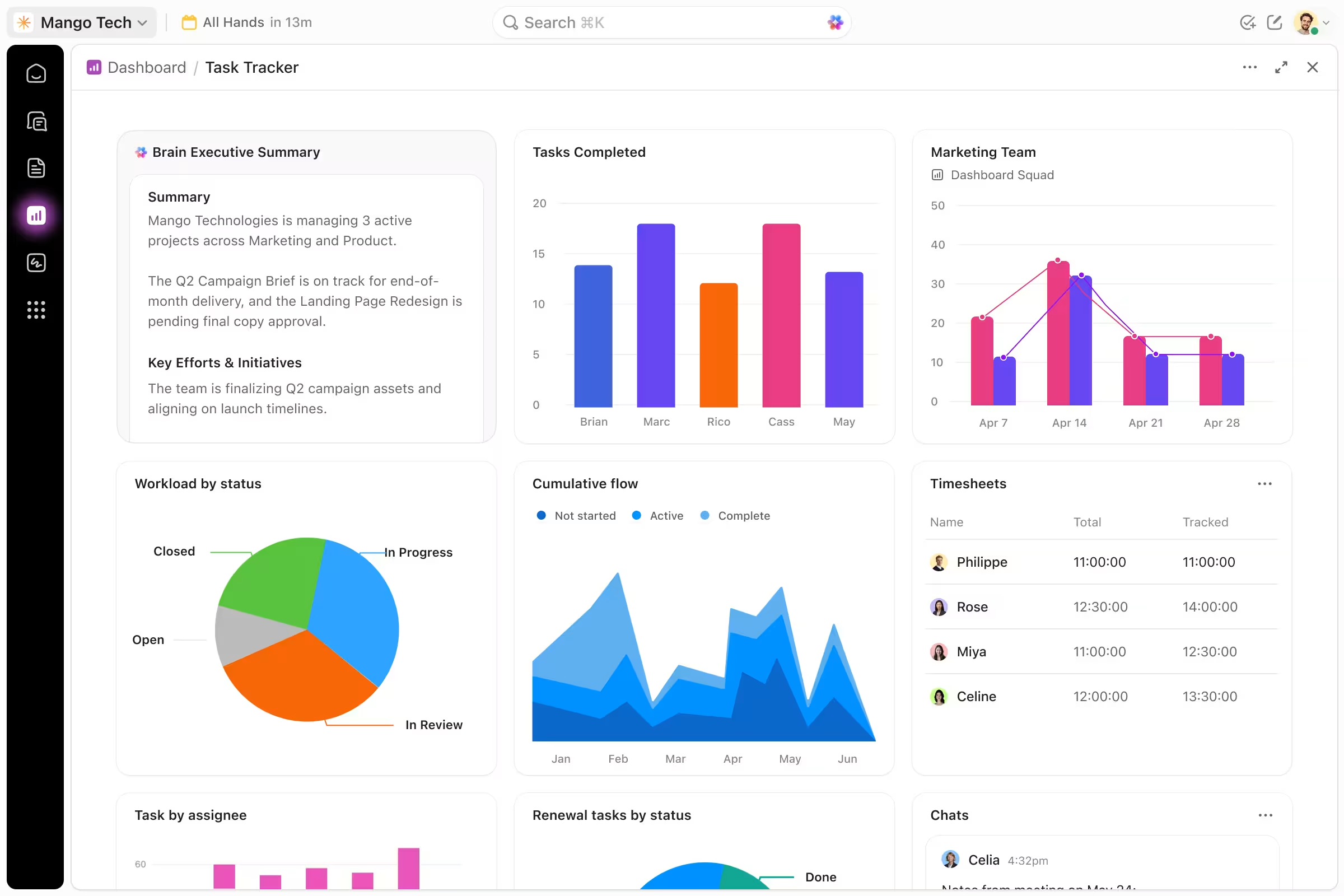
Real-Time Bandwidth & Capacity Heatmap
Balance workloads across developers, designers, and managers before project burnout happens.
Dispute-Free Billing & Retainer Audits
Export itemized time audit reports with screenshot receipts to guarantee 100% transparent client invoicing.
Break Complex Projects Into Clear Delivery Milestones
Large agency projects become difficult to manage when everything is treated as one long list of tasks.
Milestones give teams a clearer structure by dividing delivery into meaningful phases.
Collabix provides project milestone management, helping teams organize major delivery points such as:
Discovery
Strategy
Design
Development
QA
Client review
Launch preparation
Final delivery
Each milestone can represent a meaningful stage in the client roadmap, giving project managers and stakeholders a clearer understanding of how the overall project is progressing.
Connect Milestones With the Work Required to Complete Them
A milestone by itself does not explain what needs to happen before it can be completed.
Collabix helps teams connect delivery phases with tasks and subtasks, giving project managers a clearer view of the work behind each milestone.
This makes it easier to understand:
Which tasks belong to each phase
Who owns the work
What is still outstanding
Which responsibilities are complete
Where delivery may be blocked
What needs to happen before the next phase begins
Connecting milestones with actual project work creates a more useful roadmap than maintaining delivery dates separately from execution.
Use Phase Gating to Control Project Progression
Some project phases should not begin until specific work has been completed.
For example, development may depend on approved designs, QA may depend on finished development, and launch may depend on final client approval.
The current Collabix milestone workflow is positioned around phase gating, helping agencies structure projects so delivery stages are connected to clear progress points. screencapture-thecollabix-solut…
A more structured phase-gating process can help teams avoid moving forward before important dependencies are complete.
This is particularly useful for complex projects involving several departments, stakeholders, and client approval stages.
Track Milestone Progress More Clearly
Project managers need to know more than whether a milestone is simply open or complete.
Collabix is currently positioned around progress rollups that provide clearer visibility into how far a project phase has progressed. screencapture-thecollabix-solut…
Progress information can help delivery leads understand:
How much of a milestone has been completed
What work remains
Whether progress is moving as expected
Which phases may need attention
Whether upcoming deadlines remain realistic
Clearer progress visibility can make project reviews more useful because teams are not relying only on manual status updates.
Connect Milestone Progress With Tracked Time
The current page also positions Collabix around automated progress percentages tied to tracked hours. screencapture-thecollabix-solut…
Collabix provides desktop time tracking, allowing agency teams to record time against projects and tasks.
Connecting tracked effort with delivery phases gives project managers additional operational context.
This can help teams understand whether:
A milestone is consuming more effort than expected
A project phase is taking longer than originally planned
Workload is concentrated around specific deliverables
Client scope may be expanding
Delivery progress and recorded effort remain aligned
Time should not be treated as the only measure of completion, but it can provide useful context when reviewing project progress.
Manage Fixed-Scope Projects With Greater Financial Clarity
Fixed-scope client work creates risk when actual effort begins to exceed what was planned.
A project may remain technically on schedule while consuming significantly more team resources than expected.
The current Collabix milestone workflow is explicitly positioned around fixed-scope milestone management with financial clarity. screencapture-thecollabix-solut…
Connecting milestones with project activity and tracked work gives agencies more context when evaluating whether delivery remains sustainable.
This can help project and operations teams identify phases where:
Work is taking longer than expected
Revisions are increasing
Scope is expanding
Additional resources are required
Profitability may be under pressure
Earlier visibility makes it easier to review the issue before the full project budget has already been consumed.
Split Work Across Multiple Assignees
Complex milestones rarely belong to one person.
A single project phase may involve designers, developers, strategists, account managers, QA specialists, or external collaborators.
The current page positions Collabix around multi-assignee workload splitting, allowing work to be distributed more realistically across the people responsible for delivery. screencapture-thecollabix-solut…
Managers can use team capacity planning to understand available bandwidth before assigning additional responsibilities.
This can help prevent a milestone from looking achievable on paper while depending heavily on team members who are already overloaded.
Balance Milestone Workloads Across the Team
Milestone planning should consider not only deadlines but also the capacity of the people responsible for completing the work.
Collabix's visual workload heatmap helps managers review how work is distributed across team members.
This provides additional context when several milestones overlap or when multiple client projects require the same specialists.
Project managers can identify:
Heavy workload concentration
Underused team capacity
Resource conflicts
Specialists supporting too many milestones
Potential delivery bottlenecks
Better workload visibility makes it easier to adjust assignments before an overloaded team member delays a critical project phase.
Visualize Work With Project Boards
Milestones give teams the high-level roadmap, while project boards provide a more detailed view of active execution.
Collabix provides visual project boards, helping teams organize work according to status.
Teams can use boards to understand what is:
Planned
In progress
Waiting
Blocked
Under review
Completed
Combining milestone-level visibility with detailed task status gives project managers a clearer connection between the roadmap and day-to-day execution.
Improve Sprint and Agile Delivery Planning
Milestone workflows can also support agencies operating with agile or sprint-based delivery.
Short-term sprint work can remain connected to larger project phases so teams understand how individual tasks contribute to wider delivery commitments.
For Scrum Masters and delivery leads, Collabix provides dedicated agile project management workflows that connect sprint planning, tasks, workload, time, and milestones.
This helps teams avoid treating each sprint as an isolated unit when it is actually part of a larger client roadmap.
Coordinate Milestones Across Departments
Complex agency projects often require several departments to contribute to the same milestone.
A launch milestone may depend on:
Creative approval
Development completion
QA
Tracking implementation
Account management
Client sign-off
Collabix supports cross-departmental collaboration, helping teams maintain shared project context as work moves between departments.
This makes it easier to see where one team's progress affects another department's ability to begin its work.
Keep Milestone Communication Connected to the Project
Important milestone decisions should not disappear into unrelated email threads or messaging channels.
Collabix provides project channels, allowing teams to keep project-specific communication closer to delivery.
This gives project managers and team members a clearer record of discussions around:
Scope changes
Deadlines
Dependencies
Client approvals
Delivery risks
Project decisions
Keeping communication close to project work reduces the amount of context teams need to reconstruct later.
Give Clients Visibility Into Major Delivery Phases
Clients usually do not need every internal task, but they often want to understand major project stages and progress.
Collabix provides client and guest collaboration, allowing agencies to involve clients in relevant project workflows while maintaining controlled access.
Milestones can provide useful client-facing structure because they communicate progress in terms of meaningful delivery phases rather than overwhelming clients with internal task detail.
This can make project updates easier to understand and help set clearer expectations around upcoming approval points and deadlines.
Connect Milestones With Retainer and Client Work
Milestones are not limited to fixed-price projects.
Recurring client engagements may also include structured phases such as monthly campaign launches, quarterly reviews, development releases, or recurring delivery cycles.
For recurring work, Collabix's client retainer management helps agencies connect ongoing delivery with tracked time and project activity.
Using milestones alongside retainer workflows can provide additional structure for long-term client relationships.
Monitor Team Utilization Across Milestone Delivery
Project managers may also need to understand how milestone work affects overall team utilization.
Collabix provides member utilization insights, helping agency leaders review how available team capacity is being used.
This can provide useful context when several projects overlap.
If a milestone is repeatedly delayed because the same specialist is supporting several projects, utilization information can help reveal the underlying resource issue.
This gives agencies a better basis for deciding whether to redistribute work, adjust schedules, or add capacity.
Use Analytics to Review Project Delivery
Milestone status is one part of the wider operational picture.
Collabix provides agency analytics and performance reports, helping project and operations leaders review delivery alongside time, capacity, utilization, and workload information.
This gives managers more context when evaluating:
Project progress
Team allocation
Delivery pressure
Recorded effort
Resource bottlenecks
Operational performance
The goal is to make project milestones part of the broader agency operations workflow rather than a standalone planning tool.
Built for Complex Agency Delivery
Milestone tracking can support:
Digital agencies
Software development agencies
Shopify and e-commerce agencies
Creative agencies
Design studios
Performance marketing agencies
Project managers
Scrum Masters
Delivery leads
Operations managers
Account teams
For technical project delivery, agencies can also explore software development agency management, which connects sprint milestones with developer capacity and tracked work.
Turn Client Roadmaps Into Clear Delivery Milestones
Organize project phases, track progress, connect milestones with tasks and time, and balance delivery work across your team. Give project managers clearer control over complex client roadmaps from kickoff through completion.
Frequently Asked Questions
Everything you need to know about this service.
Project milestone tracking software helps teams organize large projects into meaningful phases and monitor progress toward major delivery points.
Phase gating means setting conditions that must be completed before a project moves into the next stage. It can help ensure required work, approvals, or dependencies are complete before delivery progresses.
Yes. Collabix provides milestones alongside tasks and subtasks, allowing teams to connect larger delivery phases with the detailed work required to complete them.
The current Collabix milestone workflow is positioned around automated progress visibility connected with tracked hours, providing additional context around delivery effort.
The current workflow supports multi-assignee workload splitting, allowing project responsibilities to be distributed across several team members.
Yes. Collabix can connect milestones, tasks, tracked work, workload, and project visibility, which can help agencies monitor fixed-scope delivery more systematically.
Collabix includes client and guest collaboration functionality that can allow agencies to involve clients in relevant project workflows while maintaining access controls.
Yes. Collabix supports tasks, project boards, milestones, time tracking, team capacity, and agile delivery workflows that can be used together.