
Cross-Departmental Collaboration Software for Agencies
Connect Creative, Development, Media Buying, Account Management, & Delivery Teams
Collabix helps agencies reduce departmental silos by keeping projects, responsibilities, communication, timelines, workloads, and client activity closer together.
Give every department clearer context around what needs to happen next, who owns the work, and how their responsibilities connect to the wider client delivery process.

Built specifically for Cross-Departmental
Designed to replace disconnected spreadsheets with one consolidated system.
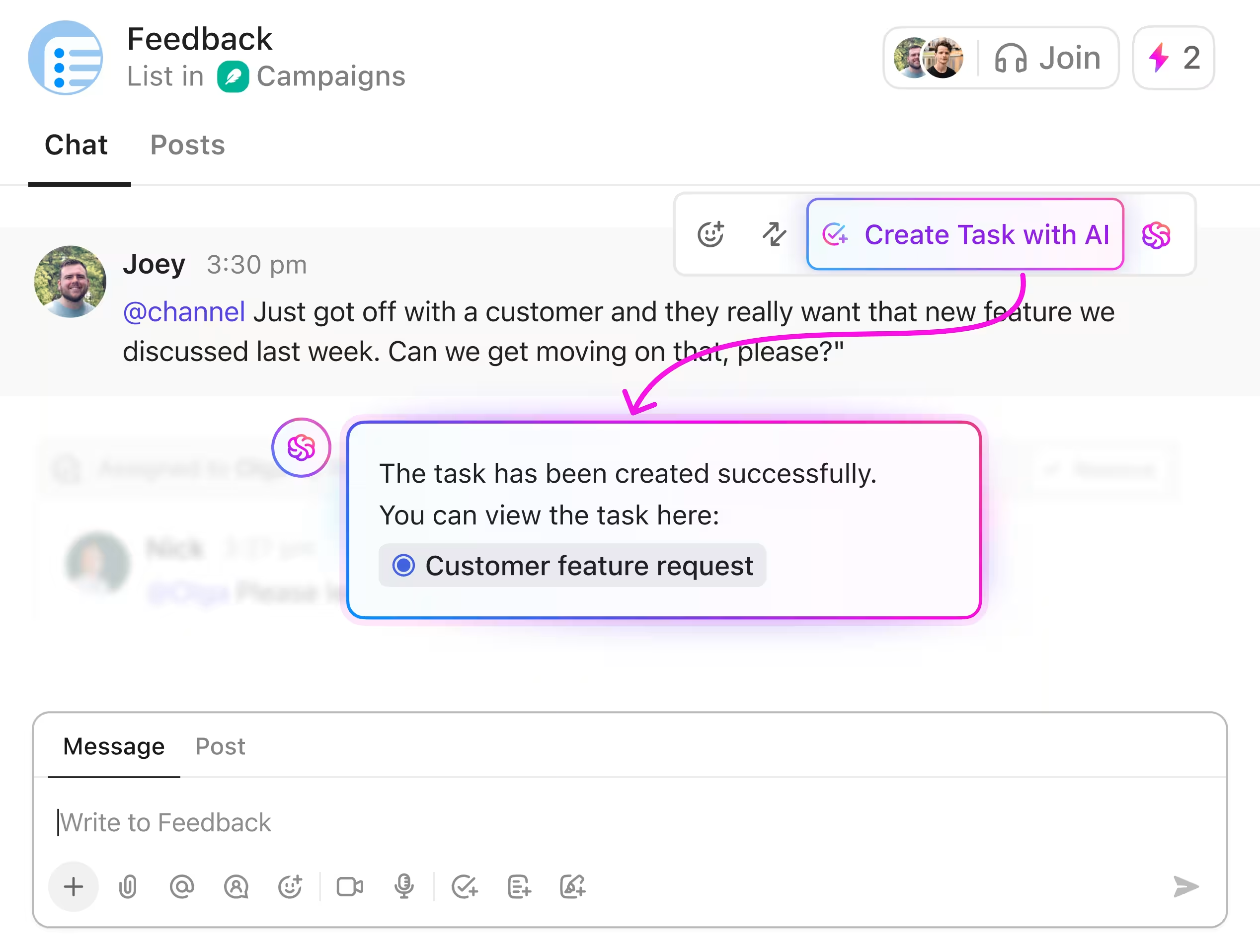
Unified Workspace for Cross-Departmental
Coordinate projects, track billable hours, manage member bandwidth, and share live client reports in real-time.
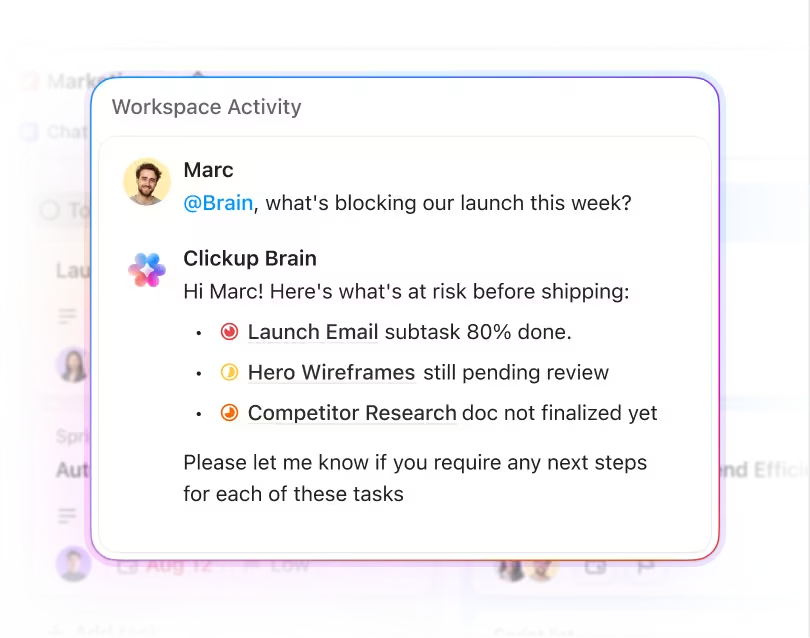
Automated Operations with Zero Friction
Eliminate manual status emails and billing discrepancies with automatic desktop time diaries and proof-of-work captures.
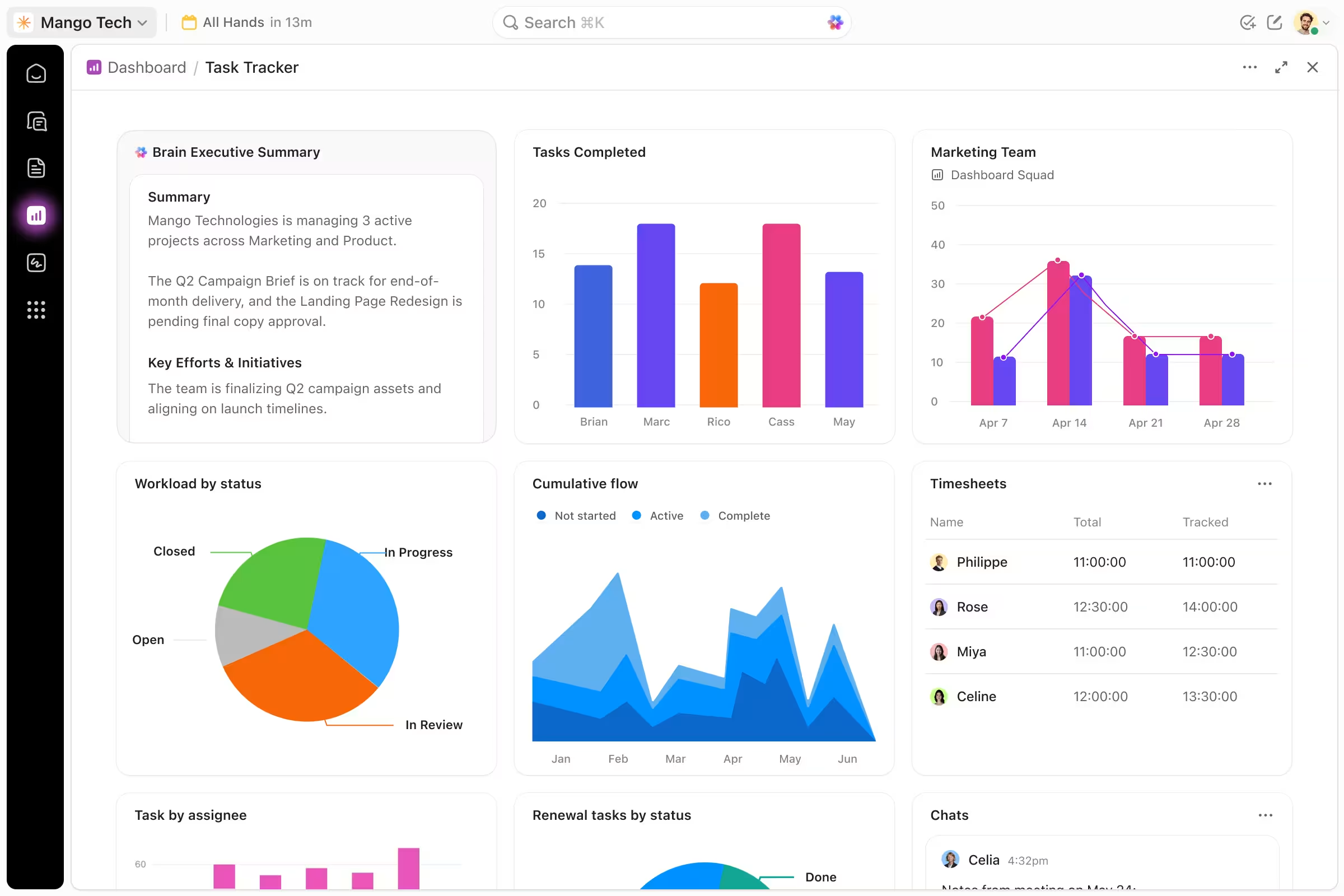
Real-Time Bandwidth & Capacity Heatmap
Balance workloads across developers, designers, and managers before project burnout happens.
Dispute-Free Billing & Retainer Audits
Export itemized time audit reports with screenshot receipts to guarantee 100% transparent client invoicing.
Connect Every Department Around the Same Project Workflow
Agency work rarely stays inside one department.
A campaign may move from strategy to creative, then into development, media buying, client review, reporting, and account management.
When each department operates in a separate tool or communication channel, important context can disappear between handoffs.
Collabix helps teams organize shared delivery through tasks and subtasks, keeping responsibilities and project activity visible across the people involved.
This gives teams a clearer understanding of:
What work is currently in progress
Which department owns the next step
What has already been completed
Which tasks depend on other teams
Where project delivery may be blocked
What information is needed before work can continue
A shared workflow reduces the need to repeatedly recreate project context whenever responsibility moves from one department to another.
Create Smoother Handoffs Between Creative and Development
Creative-to-development handoffs can become inefficient when mockups, feedback, specifications, and production requirements are scattered across separate systems.
Collabix helps agencies keep project responsibilities connected so designers, developers, and project leads can work from clearer project context.
Use project milestones to organize important delivery phases and transition points, helping teams understand when work is ready to move into the next stage.
Structured tasks can also help teams define what needs to be completed before a handoff occurs.
This can reduce:
Missing implementation details
Unclear ownership
Repeated clarification requests
Work being handed off before it is ready
Delays between design and production
Lost project context
The result is a more predictable path from concept through production.
Keep Project Communication Connected to Delivery
Departmental collaboration becomes harder when discussions happen in several unrelated tools.
Collabix provides project channels so teams can keep project-specific conversations closer to the work they are discussing.
For wider team conversations, group discussions can help departments collaborate around shared topics without relying entirely on disconnected messaging platforms.
Keeping communication connected to project workflows makes it easier for teams to understand why decisions were made and what actions need to follow.
This is particularly useful when multiple departments contribute to the same client account.
Give Account Managers One Clearer View Across Departments
Account managers often become the link between clients and several internal departments.
Without connected project visibility, they may spend significant time asking different teams for updates before they can respond to a client.
Collabix helps account leads stay closer to project activity and communication without needing to manually collect status information from every department.
Teams focused on client relationships can use client management workflows to connect project visibility with client communication.
Better internal visibility helps account managers answer questions with more context and identify potential delivery problems earlier.
Unify Client Communication Across Delivery Teams
Clients usually view an agency as one team, even when several internal departments contribute to the work.
Disconnected internal communication can create inconsistent updates, duplicated questions, or different departments giving clients conflicting information.
Collabix provides client and guest collaboration, allowing agencies to involve clients in relevant project workflows while maintaining controlled access.
This creates a clearer environment where client-facing communication can remain connected to the actual work being delivered.
Agencies can also use client feedback and intake workflows to organize requests and approvals more systematically.
Coordinate Shared Timelines Across Departments
Cross-departmental projects often depend on sequencing.
Development cannot begin until key design work is ready. Media buying may depend on creative approval. Account managers may need delivery information before communicating timelines to clients.
Shared milestones and project planning help teams understand how their work fits into the broader delivery schedule.
With project milestones, departments can align around important project phases and deadlines.
A shared timeline can help teams identify:
Upcoming dependencies
Handoff dates
Client approval points
Major campaign or launch deadlines
Work that may delay another department
This creates better visibility into how one team's progress affects everyone else.
Balance Workloads Across Different Departments
Cross-functional collaboration is not only about communication.
Teams also need to understand whether the people required for the next stage of work actually have capacity.
Collabix provides team capacity planning to help managers understand available bandwidth across the agency.
The visual workload heatmap adds another view of how work is distributed.
This can help agency managers identify situations where:
Creative has available capacity but development is overloaded
Account teams are carrying too many active clients
One department is becoming a delivery bottleneck
Upcoming work requires resource reallocation
Additional deadlines may not be realistic
Connecting project handoffs with capacity information helps teams plan more realistically.
Reduce Departmental Bottlenecks
A workflow can only move as quickly as the department currently responsible for the next stage.
When responsibilities are unclear, tasks can sit between teams without anyone realizing that progress has stopped.
Collabix helps make ownership more visible through structured projects, tasks, milestones, and communication.
This allows project and operations managers to identify where work is waiting and determine whether the issue involves:
Missing information
Unclear ownership
Client approval
Capacity constraints
Incomplete dependencies
Communication gaps
Better visibility does not eliminate bottlenecks, but it makes them easier to identify and manage.
Create Better Collaboration Between Technical and Non-Technical Teams
Development teams and client-facing teams often communicate in different ways.
Technical teams may focus on implementation requirements, blockers, and production details, while account and creative teams focus on deliverables, timelines, and client outcomes.
Collabix gives both groups access to shared project context while allowing each department to manage its own responsibilities.
For agencies with significant technical delivery, explore Collabix's operations platform for software development agencies.
Connecting technical and non-technical workflows can reduce the amount of translation required between departments.
Use Analytics to Understand Agency-Wide Delivery
Cross-departmental performance becomes difficult to understand when every team reports from a separate system.
Collabix provides agency analytics and performance reports, helping operations leaders review project and team information from a more connected perspective.
This can provide additional context around:
Workload distribution
Project activity
Team utilization
Resource allocation
Delivery performance
Operational bottlenecks
Instead of evaluating departments entirely in isolation, agency leaders can understand how different parts of the organization contribute to shared delivery.
Built for Multi-Disciplinary Agency Teams
Cross-departmental collaboration is particularly important for agencies combining several specialties inside one organization.
Collabix can support collaboration between:
Creative teams
Designers
Developers
Media buyers
Performance marketers
Account managers
Project managers
Operations teams
Client success teams
Agency leadership
Whether the agency manages campaigns, websites, software, creative work, or recurring client services, connected workflows help departments operate as one delivery team.
Bring Cross-Departmental Agency Work Into One Workspace
Collabix helps connect the systems agencies use to coordinate work across departments.
Teams can bring together:
This creates a more connected operating environment for agencies that depend on multiple departments to deliver client work successfully.
Connect Your Agency Teams Around One Workflow
Break down operational silos between creative, development, media buying, account management, and delivery teams. Give every department clearer project context, smoother handoffs, and better visibility into the work that connects them.
Frequently Asked Questions
Everything you need to know about this service.
Cross-departmental collaboration software helps different teams work together around shared projects, tasks, deadlines, communication, responsibilities, and client delivery.
Agency projects often involve creative, development, marketing, account management, and operations teams. Without shared workflows, important information can be lost between departments and handoffs can create delays.
Agencies can improve handoffs by clearly defining responsibilities, dependencies, milestones, required information, and the next owner of the work before a project moves between departments.
Yes. Collabix supports shared project workflows, tasks, milestones, and communication that can help creative and development teams coordinate work and maintain project context.
Yes. Connected project visibility helps account managers understand activity across different delivery teams without relying entirely on manual status updates.
Capacity planning helps managers determine whether the people required for upcoming project stages actually have enough available bandwidth. This can help identify resource bottlenecks before they delay delivery.
Collabix includes client and guest collaboration features that allow agencies to involve clients in relevant project workflows while maintaining controlled access to internal information.