
Agile Project Management Software for Scrum Masters
Plan Sprints, Organize Dependencies, Track Milestones, & Keep Complex Client Roadmaps
Collabix helps Scrum Masters, delivery leads, and project managers coordinate tasks, sprint progress, team workload, tracked time, and client delivery without managing critical project information across disconnected tools.
Give delivery teams clearer visibility into what is in progress, what is blocked, what depends on another task, and whether current workloads and timelines remain realistic.

Built specifically for Project & Scrum Managers
Designed to replace disconnected spreadsheets with one consolidated system.
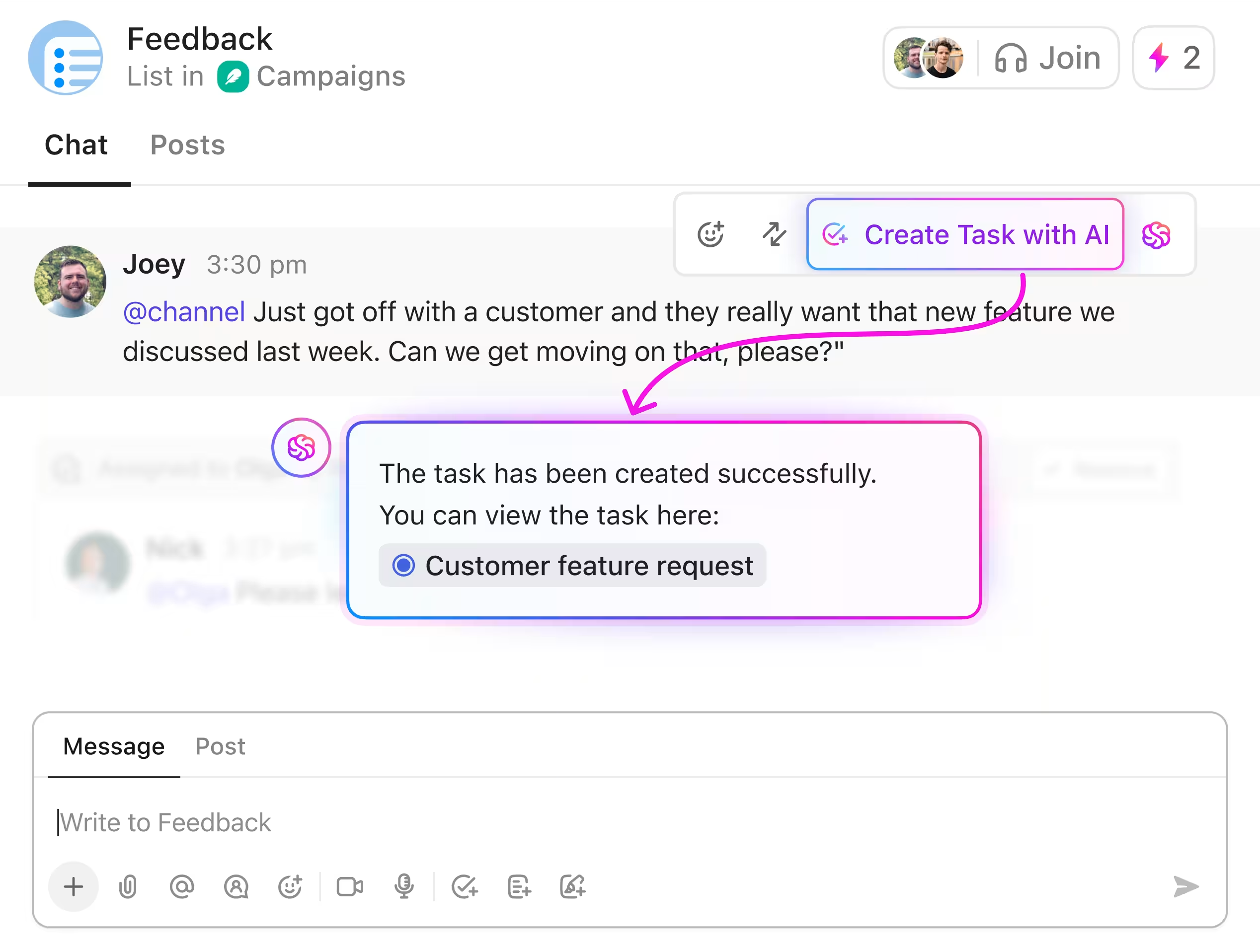
Unified Workspace for Project & Scrum Managers
Coordinate projects, track billable hours, manage member bandwidth, and share live client reports in real-time.
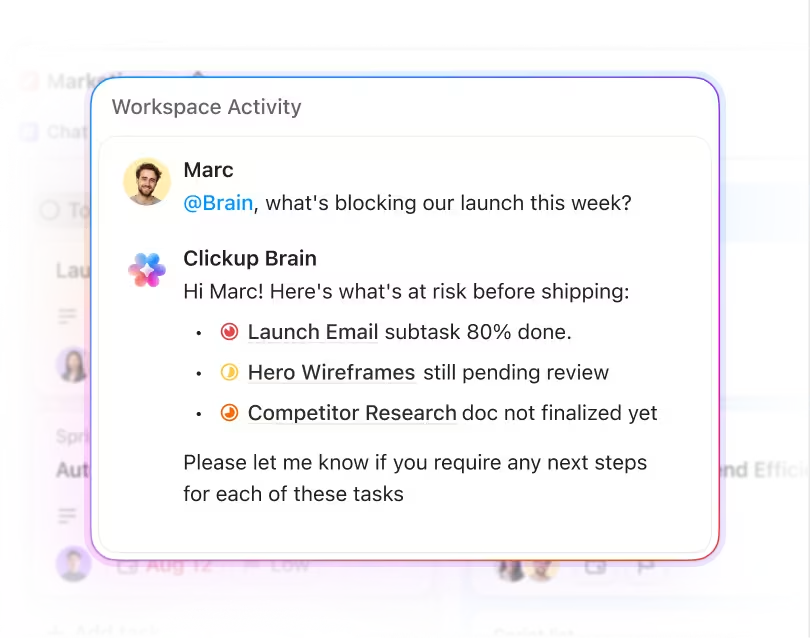
Automated Operations with Zero Friction
Eliminate manual status emails and billing discrepancies with automatic desktop time diaries and proof-of-work captures.
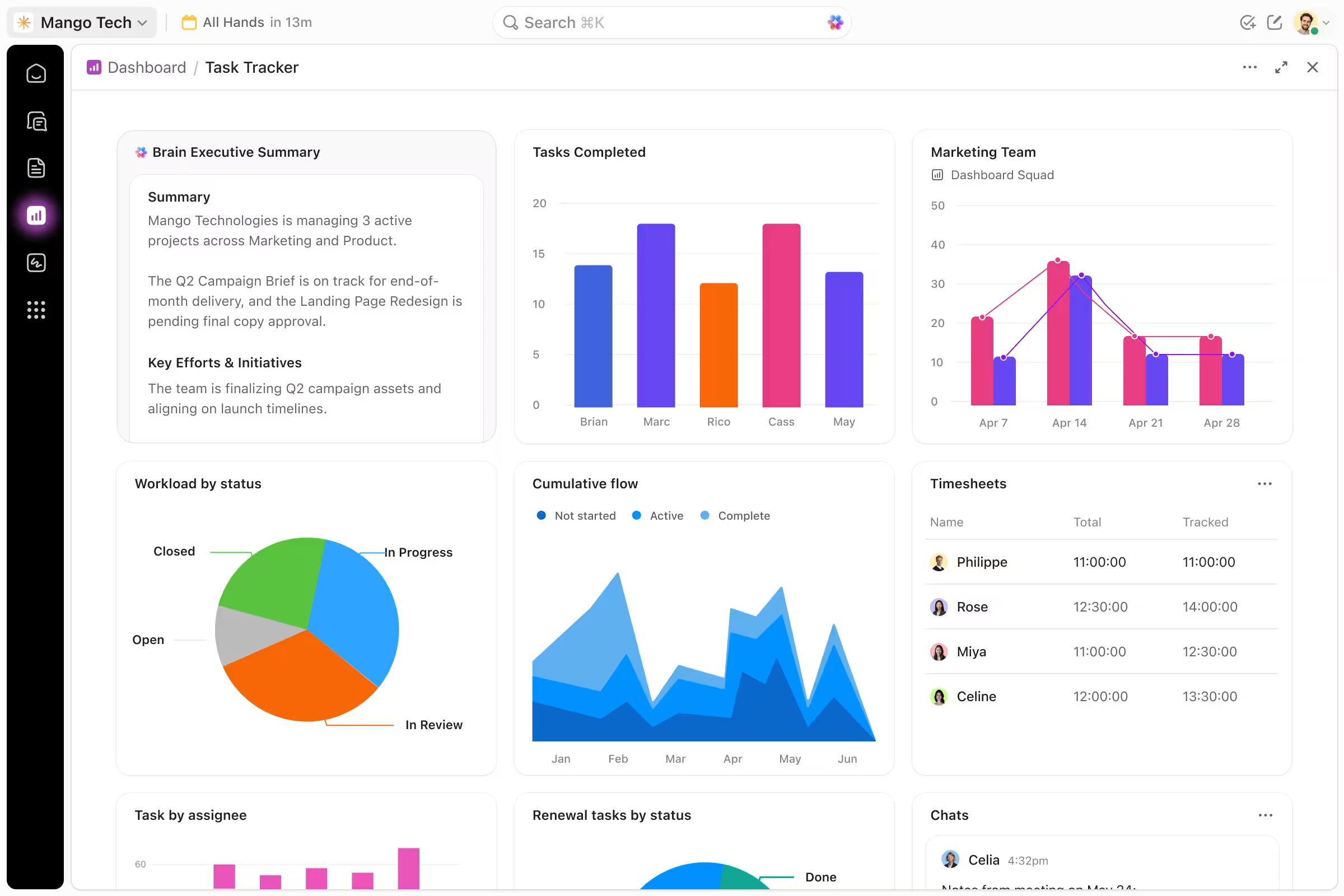
Real-Time Bandwidth & Capacity Heatmap
Balance workloads across developers, designers, and managers before project burnout happens.
Dispute-Free Billing & Retainer Audits
Export itemized time audit reports with screenshot receipts to guarantee 100% transparent client invoicing.
Organize Complex Client Roadmaps Into Clear Work
Complex agency projects are rarely completed as one continuous stream of tasks.
They usually include multiple phases, dependencies, specialists, client approvals, and delivery milestones.
Collabix helps teams break larger roadmaps into structured tasks and subtasks, giving Scrum Masters and delivery leads a clearer way to organize responsibilities across the project.
This makes it easier to understand:
What work needs to happen next
Who owns each responsibility
Which tasks depend on other work
Where progress may be blocked
Which deliverables are approaching deadlines
What remains before the next project phase can begin
A clearer task structure helps delivery teams reduce ambiguity and maintain stronger ownership across complex client engagements.
Track Project Milestones Across Every Delivery Phase
Milestones give teams a clearer view of major delivery points beyond individual tasks.
Collabix provides project milestones, helping Scrum Masters structure project phases and important deadlines.
Milestones can be used to organize stages such as:
Discovery
Planning
Design
Development
Internal review
Client approval
Launch preparation
Final delivery
When milestones are connected to the wider project workflow, teams have a clearer understanding of whether a roadmap is progressing as expected.
This becomes particularly useful for client work where several departments contribute to the same delivery timeline.
Manage Sprint Work With Visual Project Boards
Agile delivery becomes harder when teams cannot quickly see the status of active work.
Collabix provides visual project boards that help teams organize work across different stages of delivery.
Sprint and project boards can give delivery managers a clearer picture of:
Planned work
Work in progress
Completed items
Blocked tasks
Assigned responsibilities
Remaining project activity
This helps Scrum Masters spend less time manually collecting status information and more time resolving the issues preventing work from moving forward.
Identify Blocked Work Earlier
Blocked tasks can affect much more than one individual assignment.
One delayed task may prevent development from starting, stop client review, or push an entire project milestone behind schedule.
Collabix helps teams maintain clearer visibility into active project work so blockers can be identified earlier.
The current Scrum Manager workflow is specifically positioned around early warning alerts for blocked tasks and potential budget overruns, helping delivery teams pay attention to work that may require intervention. screencapture-thecollabix-solut…
Earlier visibility gives Scrum Masters more time to:
Clarify missing requirements
Reassign work
Escalate decisions
Resolve dependencies
Adjust priorities
Communicate timeline risks
The objective is to deal with delivery risks while there is still time to respond.
Coordinate Task Dependencies Across Teams
Agency roadmaps often involve dependencies between departments and specialists.
Development may depend on approved design work. QA may depend on development. Campaign launch may depend on technical implementation and final client approval.
Collabix helps project teams organize these connected responsibilities inside a shared delivery workflow.
For projects involving multiple departments, cross-departmental collaboration can help creative, technical, account, and operations teams maintain shared project context.
Clearer dependency visibility helps reduce situations where one team is waiting for work without knowing that another department still has an unfinished responsibility.
Keep Sprint Communication Connected to the Work
Sprint delivery creates constant communication around blockers, requirements, priorities, reviews, and changing project conditions.
When those conversations happen outside the project environment, important context can be lost.
Collabix provides project channels, allowing project-specific discussions to stay closer to the relevant work.
Teams can also use group discussions for broader collaboration involving multiple team members or departments.
Keeping communication closer to tasks and projects makes it easier for delivery teams to understand previous decisions and current requirements.
Track Time Against Sprint and Project Work
Tracked time gives Scrum Masters and agency operations teams additional context around how much effort projects actually require.
Collabix provides desktop time tracking, helping team members connect recorded time with projects and tasks.
This can help project leaders better understand:
How much effort sprint work is consuming
Whether estimates reflect actual delivery time
Which tasks require more effort than expected
Whether client work is approaching budget limits
Where project effort is concentrated
For a more detailed view of recorded activity, teams can use the work diary.
Time information should support project planning rather than being treated separately from delivery.
Use Time Rollups for Better Delivery Context
The current Scrum Manager page positions Collabix around automated time rollups within sprint workflows. screencapture-thecollabix-solut…
This can give delivery leads additional context around the amount of tracked effort associated with the work inside a project or sprint.
Instead of manually combining timesheets with task lists, teams can keep project activity and time information closer together.
That makes it easier to compare planned delivery expectations with the effort being recorded by the team.
For agencies billing clients based on time or managing work against retainers, this visibility can also support more informed project and account reviews.
Monitor Budget Pressure Before It Becomes a Delivery Problem
Budget overruns rarely happen suddenly.
They often develop when tasks take longer than expected, revisions increase, scope changes, or projects require more specialist time than originally planned.
The current Collabix workflow includes early-warning positioning around budget overruns. screencapture-thecollabix-solut…
Combining project progress with tracked work gives teams more information when evaluating whether delivery remains aligned with expectations.
For recurring client engagements, agency retainer management can help connect project work with ongoing client hours and delivery.
Earlier visibility gives project managers more time to review scope, resources, timelines, or client expectations before the situation becomes harder to correct.
Understand Team Capacity Before Planning the Next Sprint
Sprint planning should account for the team's actual capacity.
Assigning work without considering existing client commitments, leave, ongoing projects, and workload can create unrealistic sprint expectations.
Collabix provides team capacity planning, giving delivery managers a clearer view of available bandwidth.
The visual workload heatmap can provide additional visibility into how work is distributed.
Together, these features can help Scrum Masters answer questions such as:
Who has room for additional sprint work?
Which team members are already overloaded?
Is too much work assigned to one specialist?
Are sprint commitments realistic?
Does work need to be redistributed?
Is another deadline competing for the same resources?
Capacity-aware sprint planning helps teams make commitments based on available resources rather than assumptions.
Monitor Team Utilization Across Delivery Work
Capacity shows how much work a team can reasonably take on.
Utilization helps show how much of that capacity is currently being used.
Collabix provides member utilization insights, helping delivery and operations leaders review how team resources are being allocated.
For Scrum Masters, utilization data can provide useful context around:
Repeated overload
Underused team capacity
Resource bottlenecks
Heavy project demand
Staffing requirements
This information can help teams improve future sprint planning and understand whether recurring delivery pressure is becoming an operational problem.
Connect Sprint Delivery With Client Visibility
Agile delivery still needs to remain understandable to clients.
Clients may not need every internal sprint detail, but they often need visibility into important milestones, progress, deliverables, and decisions.
Collabix provides client and guest collaboration, allowing agencies to involve external stakeholders in relevant project workflows while maintaining controlled access.
This helps delivery teams create client transparency without exposing every internal project discussion or operational detail.
For more advanced permissions, client role and access controls can help agencies maintain clearer boundaries between internal and client-facing information.
Use Analytics to Review Delivery Performance
Scrum Masters and delivery leaders need more than a task board.
Operational reporting can provide additional context around project progress, workloads, time, and resource use.
Collabix provides agency analytics and performance reports, helping teams review project activity alongside broader operational information.
This can provide useful context around:
Delivery progress
Time allocation
Team utilization
Capacity
Workload
Operational bottlenecks
The goal is not to replace sprint reviews or team conversations.
It is to give delivery leaders better data when evaluating how projects are actually progressing.
Create Repeatable Agile Delivery Processes
Agile teams still benefit from consistent operational routines.
Collabix provides checklists and SOP workflows, allowing agencies to create repeatable processes around recurring delivery activities.
Teams can use checklists for:
Sprint preparation
Definition-of-ready checks
QA reviews
Launch preparation
Client approvals
Delivery handoffs
Retrospective actions
Project closeout
Repeatable workflows can reduce missed steps while still giving delivery teams flexibility in how individual projects are executed.
Support Software Development and Technical Delivery Teams
Scrum Masters frequently work with developers, engineers, designers, QA specialists, and product stakeholders.
For agencies focused heavily on technical project delivery, Collabix also provides dedicated workflows for software development agencies.
Teams can combine agile project organization with tasks, milestones, time tracking, capacity planning, communication, and reporting.
This helps technical delivery stay connected to the wider agency operation rather than becoming isolated inside a separate project-management environment.
Plan Sprints and Project Phases More Clearly
For teams managing sprint-based delivery and larger scope phases, structured milestones provide a way to connect short-term execution with the wider client roadmap.
Collabix's sprint and milestone planning workflows can help teams organize project phases while maintaining clearer visibility into delivery scope.
This gives Scrum Masters a stronger connection between day-to-day sprint activity and the broader project outcome.
Keep Complex Client Roadmaps Moving
Plan sprints, organize tasks and dependencies, track milestones, monitor capacity, and identify delivery risks before they become larger problems. Give Scrum Masters and delivery leads a clearer operational view from sprint planning through final client delivery.
Frequently Asked Questions
Everything you need to know about this service.
Agile project management software helps Scrum Masters organize sprint work, tasks, project boards, milestones, dependencies, team communication, workload, and delivery progress in one system.
Collabix provides tasks, project boards, milestones, workload visibility, team capacity, and project communication that can support sprint planning and agile delivery workflows.
The current Scrum Manager workflow is designed around clearer project progress visibility and early warnings for blocked work, helping delivery managers identify tasks that may require attention.
Yes. Collabix includes team capacity and workload functionality that can help delivery managers understand available bandwidth before assigning additional sprint work.
Yes. Collabix includes desktop time tracking that can connect recorded time with projects and tasks.
Collabix includes client and guest collaboration capabilities that allow agencies to involve clients in relevant project workflows while maintaining access controls.
Combining project progress, tracked time, and operational reporting can provide additional context when project effort is becoming higher than expected.
Yes. Collabix supports project, sprint, task, milestone, time, capacity, and communication workflows that can be used by technical and software-development agency teams.