
Multi-Agency Management Software for Enterprise Teams
Manage Multiple Agencies, Business Units, Brands, OR Client Entities From One Connected Operations Platform
Collabix helps larger agency organizations centralize project delivery, team capacity, communication, reporting, and client collaboration without forcing every organization to operate inside the same unrestricted workspace.
Create a more controlled operating structure with multi-organization workflows, role-based access, project visibility, and agency-wide reporting.

Built specifically for Multi-Org (50–100+ Staff)
Designed to replace disconnected spreadsheets with one consolidated system.
Unified Workspace for Multi-Org (50–100+ Staff)
Coordinate projects, track billable hours, manage member bandwidth, and share live client reports in real-time.
Automated Operations with Zero Friction
Eliminate manual status emails and billing discrepancies with automatic desktop time diaries and proof-of-work captures.
Real-Time Bandwidth & Capacity Heatmap
Balance workloads across developers, designers, and managers before project burnout happens.
Dispute-Free Billing & Retainer Audits
Export itemized time audit reports with screenshot receipts to guarantee 100% transparent client invoicing.
Manage Multiple Agency Entities From One Operations Platform
As agency groups grow, a single flat workspace can become difficult to manage.
One organization may operate several specialist agencies, regional teams, brands, departments, or client-facing business units, each with different projects, people, responsibilities, and access requirements.
Collabix helps larger agency groups create clearer operational separation while maintaining centralized visibility for authorized leaders.
This makes it easier to manage different entities without forcing teams to maintain completely disconnected systems.
Leadership can maintain broader operational oversight while individual teams continue working within the projects and workflows relevant to them.
Switch Between Organizations Without Managing Separate Tool Stacks
Agency groups often create separate accounts or software environments for different business units.
That can make administration, reporting, user management, and day-to-day operations unnecessarily complicated.
A multi-organization structure allows authorized users to move between relevant agency environments while keeping work separated appropriately.
This can support organizations managing:
Multiple sister agencies
Regional agency offices
Specialized service divisions
Separate client-facing entities
Multiple brands
Internal business units
Instead of maintaining an entirely separate operating stack for every entity, leadership can create a more connected management structure.
Keep Projects and Client Data Separated Between Organizations
Multi-entity management requires stronger boundaries than a standard single-team workspace.
A user working within one organization should not automatically gain visibility into unrelated projects, client information, or internal discussions belonging to another entity.
Collabix's approach to client roles and access control helps agencies create clearer permission boundaries around project and user access.
This becomes especially important for organizations managing confidential client relationships, separate brands, or independently operated agency teams.
Structured access helps reduce unnecessary exposure while allowing authorized leaders to maintain broader visibility.
Create Granular Roles and Access Permissions
Enterprise agency teams rarely fit into a simple administrator-versus-user permission model.
Different people may require access based on their responsibilities.
For example, executives may need agency-wide reporting, operations leaders may need access across several departments, project managers may only need their own delivery workflows, and clients should only see information relevant to their projects.
Collabix supports controlled collaboration through client and guest access, helping agencies create more appropriate visibility for internal and external stakeholders.
Clearer permissions can support:
Executive oversight
Operations management
Project management
Department-level access
Contractors and specialists
Client stakeholders
Guest users
The objective is to give people the information required for their role without exposing unrelated operational data.
Maintain Stronger Governance as the Agency Grows
Governance becomes increasingly important as headcount, client volume, and organizational complexity increase.
Larger agency groups need clearer processes around who can access information, how teams are organized, and where operational accountability sits.
Collabix helps bring project workflows and access controls into a more structured environment.
Teams can use tasks and subtasks and project milestones to maintain clearer ownership and delivery structure across projects.
This creates a stronger operational foundation as several teams or organizations contribute to the wider agency group.
Support Auditability and Operational Accountability
Enterprise teams often need a clearer record of important operational activity.
Auditability can support internal governance, security reviews, accountability, and compliance processes by giving organizations a more structured view of activity and access.
The current Collabix multi-organization workflow is positioned around advanced audit logging and governance controls for larger agency environments. screencapture-thecollabix-solut…
For broader information about platform security and data protection practices, review the Collabix security page.
Security and compliance claims should always reflect the current verified status of the platform, so governance documentation should remain aligned with the information published there.
Support Security and Compliance Readiness
Larger agencies may face more formal security expectations from clients, procurement teams, enterprise partners, and internal stakeholders.
Collabix can support a more structured operational environment through controlled access, user roles, data separation, and governance-focused workflows.
The page is currently positioned around SOC 2 readiness, rather than simply project management alone. screencapture-thecollabix-solut…
That distinction matters.
Collabix should use governance and access controls to support security and compliance processes without making certification claims that cannot be independently substantiated.
Agencies evaluating enterprise security requirements can review the latest information on the security and data protection page.
Centralize Agency-Wide Reporting
Managing several entities becomes much harder when reporting is fragmented across separate systems.
Agency leadership may need to understand performance across the entire organization while individual teams only need visibility into their own operations.
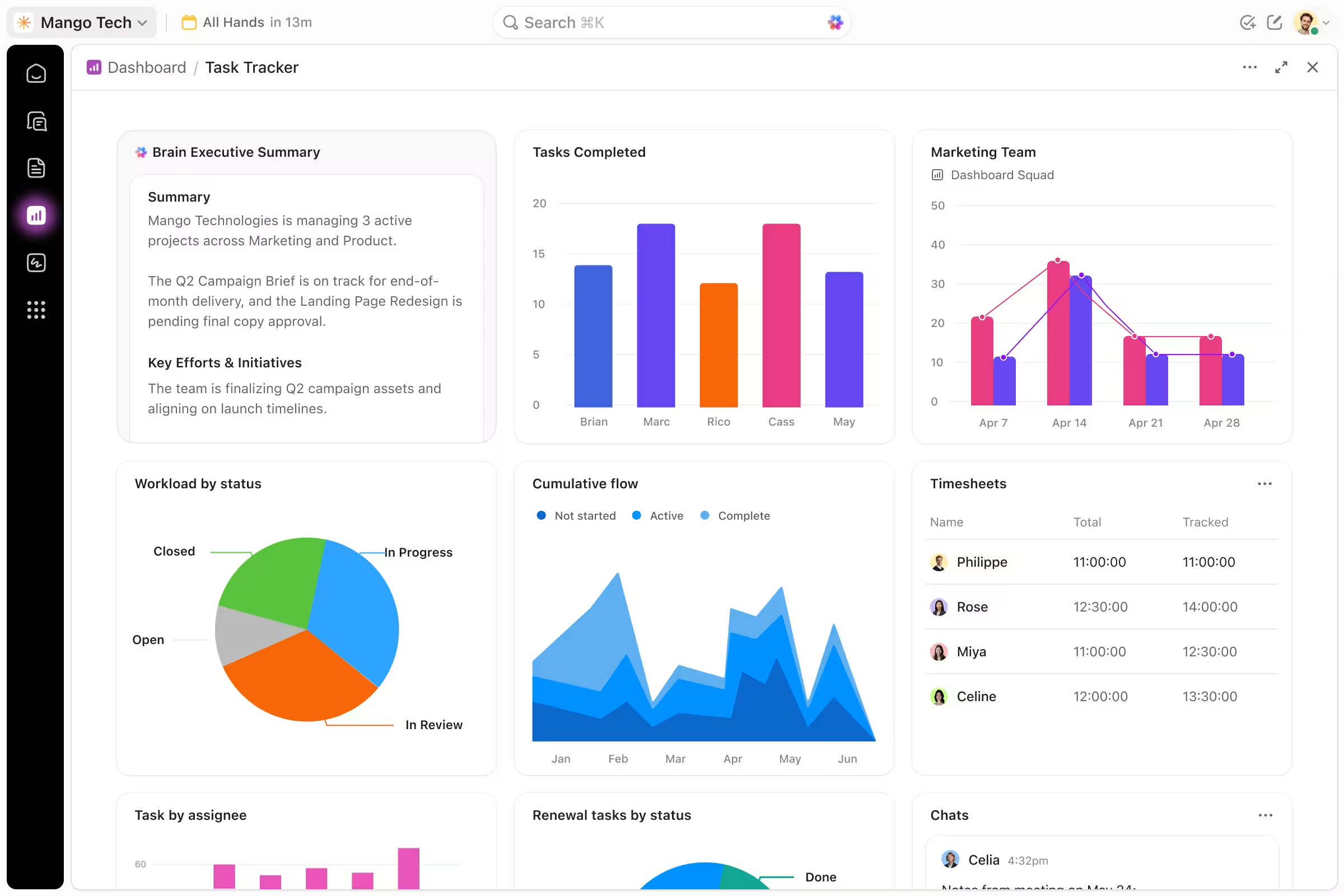
Collabix provides agency analytics and performance reports, helping leaders review operational information alongside projects, workloads, time, and utilization.
Centralized reporting can provide more context around:
Resource allocation
Project delivery
Team utilization
Capacity
Workload
Client activity
Operational performance
This helps agency leadership understand the wider organization without requiring every business unit to manually assemble separate reports.
Compare Capacity Across Teams and Business Units
Multi-organization agencies frequently need to understand where available capacity exists across the wider business.
One team may be overloaded while another still has available bandwidth.
Collabix provides team capacity planning, giving operations leaders better visibility into available resources.
Combined with member utilization insights, this can help leaders identify differences in workload and resource usage across teams.
This information can support decisions around staffing, resource sharing, hiring, and project allocation.
Prevent Resource Bottlenecks Across Multiple Teams
Agency groups often contain highly specialized departments.
A development team may support several agencies. A creative department may work across multiple brands. A strategy team may contribute to projects throughout the organization.
Shared resources can quickly become bottlenecks if each entity plans work independently.
The visual workload heatmap gives managers another way to review workload distribution and identify pressure across teams.
Better visibility can help operations leaders determine whether work should be redistributed before shared specialists become overloaded.
Coordinate Work Across Departments and Organizations
Large agencies rarely operate as isolated teams.
Client delivery may involve creative, strategy, development, paid media, account management, and operations teams spread across different departments or entities.
Collabix supports cross-departmental collaboration, helping teams maintain shared project context when work moves between groups.
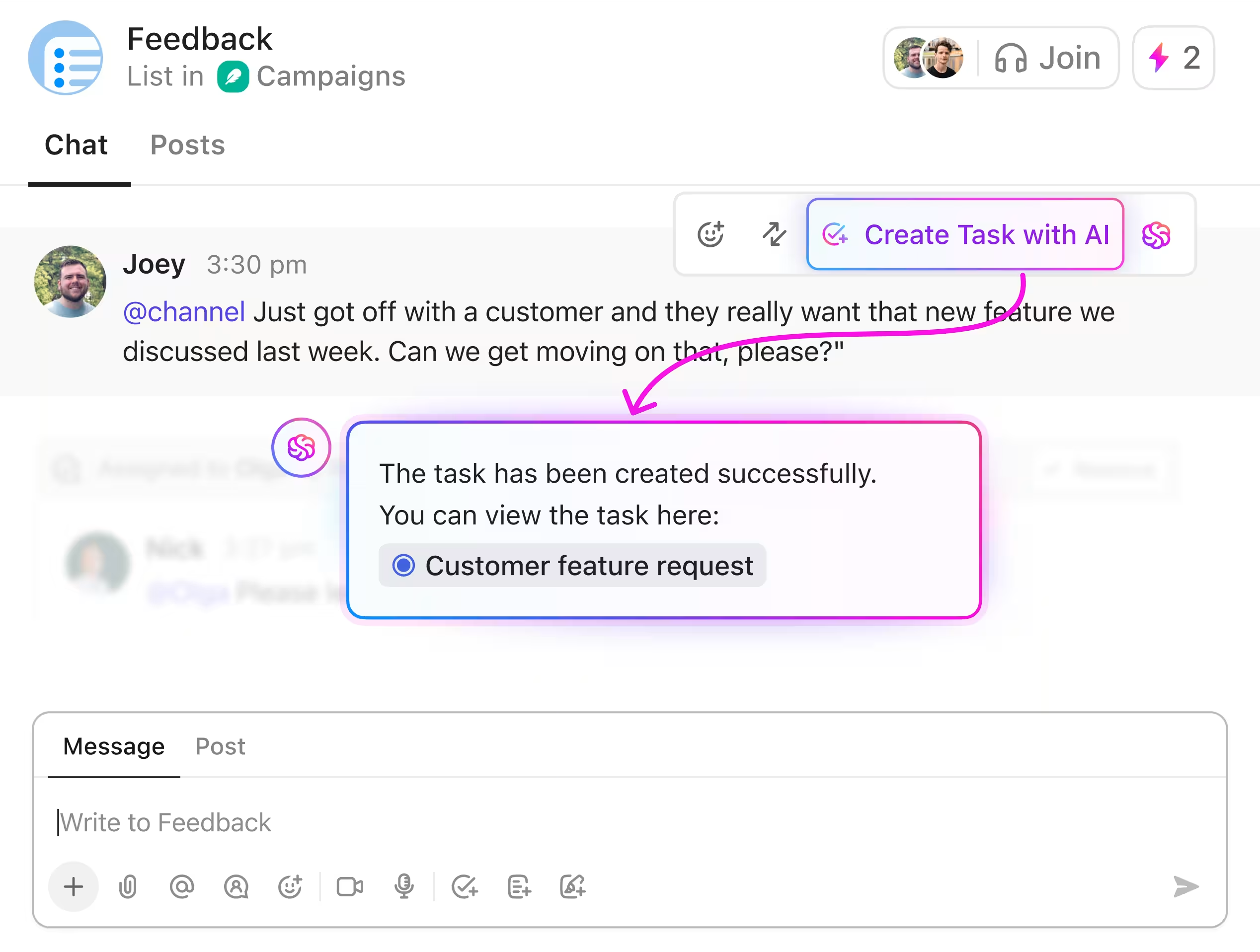
Project communication can also remain connected through project channels and group discussions.
This helps teams coordinate without relying entirely on disconnected messaging and project-management tools.
Maintain Controlled Client Collaboration Across Multiple Entities
Different agencies within the same organization may work with completely different clients.
Client access therefore needs to remain specific to the appropriate projects and business units.
Collabix provides client and guest collaboration, allowing agencies to involve external stakeholders in relevant workflows while maintaining access controls.
This helps larger agency groups create client-facing collaboration without giving external users unnecessary visibility into the wider organization.
For teams responsible for account relationships, client management workflows can help connect client communication with actual project delivery.
Standardize Operations Across the Agency Group
Growth often creates operational inconsistency.
Different offices or sister agencies may develop their own project structures, delivery processes, onboarding routines, and reporting methods.
Collabix can help organizations create more repeatable processes using checklists and SOP workflows.
Standardized workflows can support areas such as client onboarding, project setup, internal reviews, handoffs, delivery QA, and recurring operational procedures.
This does not mean every agency must operate identically.
The goal is to create enough consistency that leadership can scale operations without losing visibility or control.
Reduce Enterprise Tool Fragmentation
Multi-agency organizations can accumulate an especially large software stack.
Different teams may adopt separate systems for project management, time tracking, communication, capacity planning, reporting, and client collaboration.
This makes central governance and reporting increasingly difficult.
Collabix brings several operational workflows into one connected environment.
Agency groups already struggling with fragmented software can explore agency tool consolidation to understand how a more centralized operational platform may simplify the stack.
Move From Growing Agency to Multi-Organization Operations
Not every agency needs multi-organization management immediately.
Smaller teams may be better served by a simpler operating structure.
However, additional governance becomes useful when an agency begins managing multiple entities, departments, regional offices, or business units.
Teams that have not yet reached this level can explore agency management software for growing teams.
As operational complexity increases, multi-organization controls can provide a clearer structure for managing users, projects, resources, and client information across the wider business.
Manage Complex Agency Operations With Greater Control
Bring multiple agency entities, departments, projects, teams, and client workflows into a more structured operating environment. Maintain clearer governance and visibility across the organization while giving each team access to the work that matters to them.
Frequently Asked Questions
Everything you need to know about this service.
Multi-agency management software helps organizations manage multiple agency entities, brands, departments, or business units while maintaining centralized operational oversight and controlled access between teams.
Multi-organization functionality is most relevant for larger agency groups, sister agencies, holding companies, regional offices, multi-brand organizations, and businesses that operate several separate service teams.
A multi-organization structure can help maintain clearer access boundaries between entities so users only access the organizations, projects, and information relevant to their responsibilities.
Authorized leadership can benefit from centralized operational reporting while individual teams maintain more limited access to their own workflows.
Separating access between organizations, projects, and user roles can reduce unnecessary exposure of sensitive information. It should form part of a broader security and governance strategy rather than being treated as a complete security solution on its own.
Yes. Collabix supports project, workload, capacity, communication, and access workflows that can help coordinate both departments and separate organizational entities.
The current Collabix page positions the platform around SOC 2 readiness and governance capabilities. For certification status or specific compliance commitments, users should refer to Collabix's current security documentation rather than assuming certification from the feature itself.