
Agency Tool Consolidation Software
Time Tracking, Team Capacity, Communication, Client Collaboration, & Operational Reporting
Collabix helps agencies reduce tool sprawl by bringing core operational workflows closer together. Instead of maintaining separate systems for project management, timesheets, workload planning, client communication, reporting, and team collaboration, agencies can manage more of their day-to-day operations from one platform.

Built specifically for 6-in-1 Tool Consolidation
Designed to replace disconnected spreadsheets with one consolidated system.
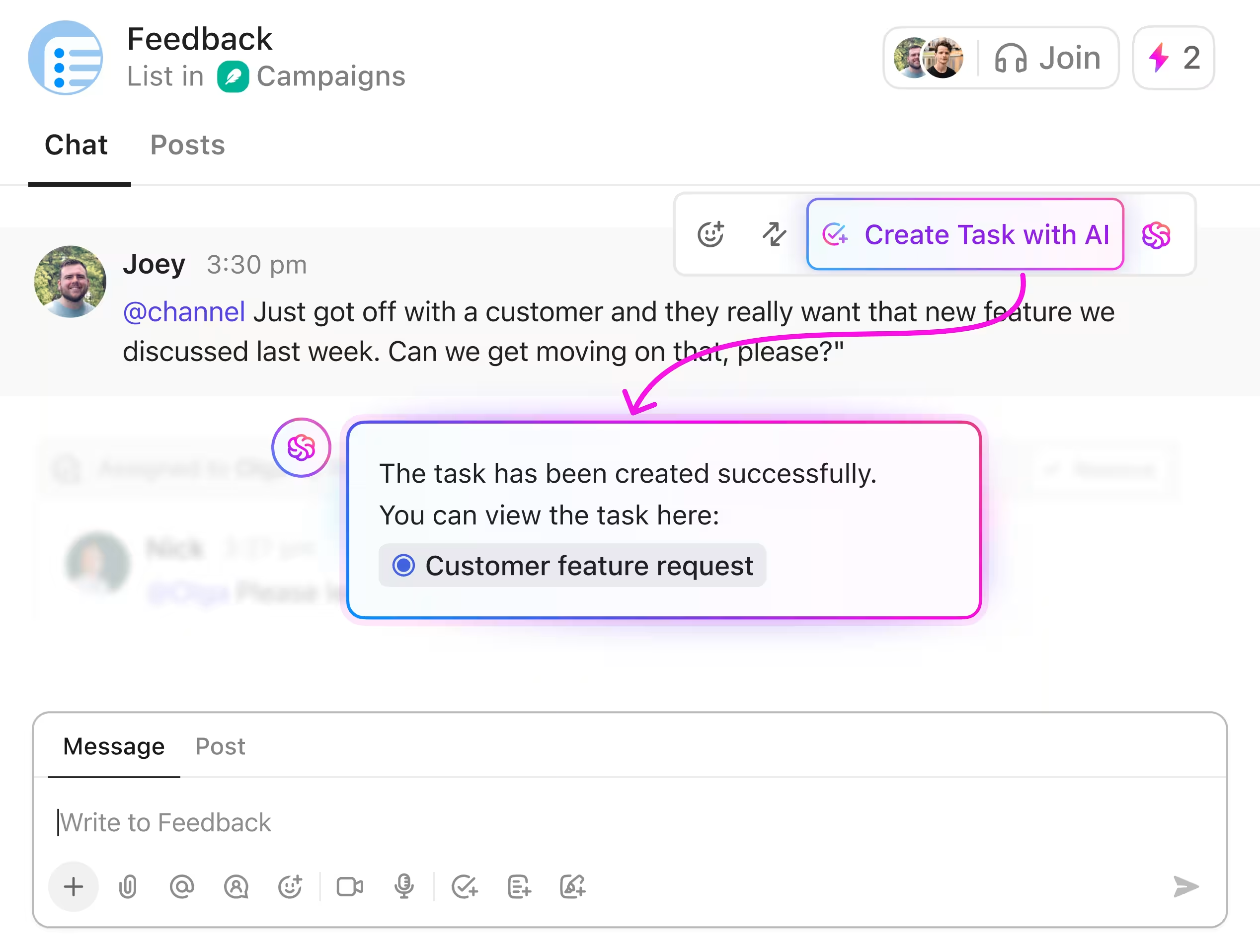
Unified Workspace for 6-in-1 Tool Consolidation
Coordinate projects, track billable hours, manage member bandwidth, and share live client reports in real-time.
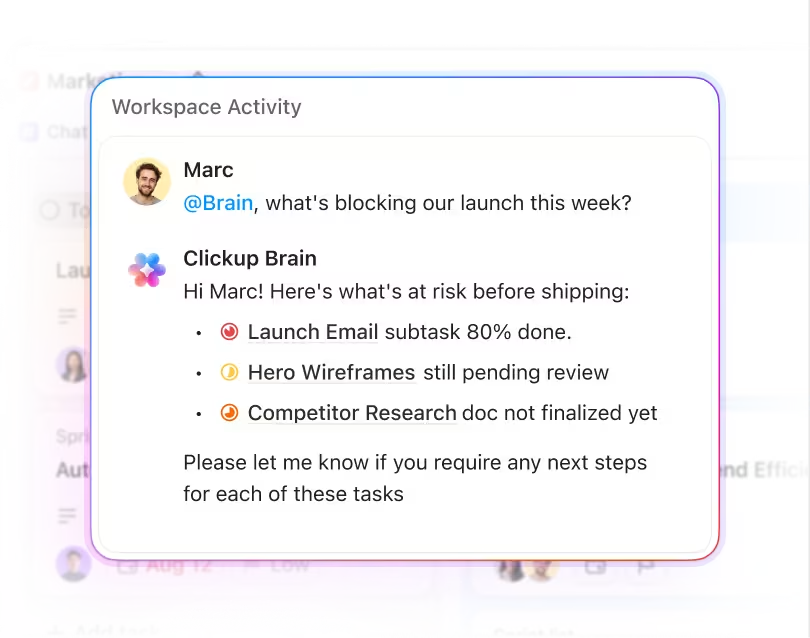
Automated Operations with Zero Friction
Eliminate manual status emails and billing discrepancies with automatic desktop time diaries and proof-of-work captures.
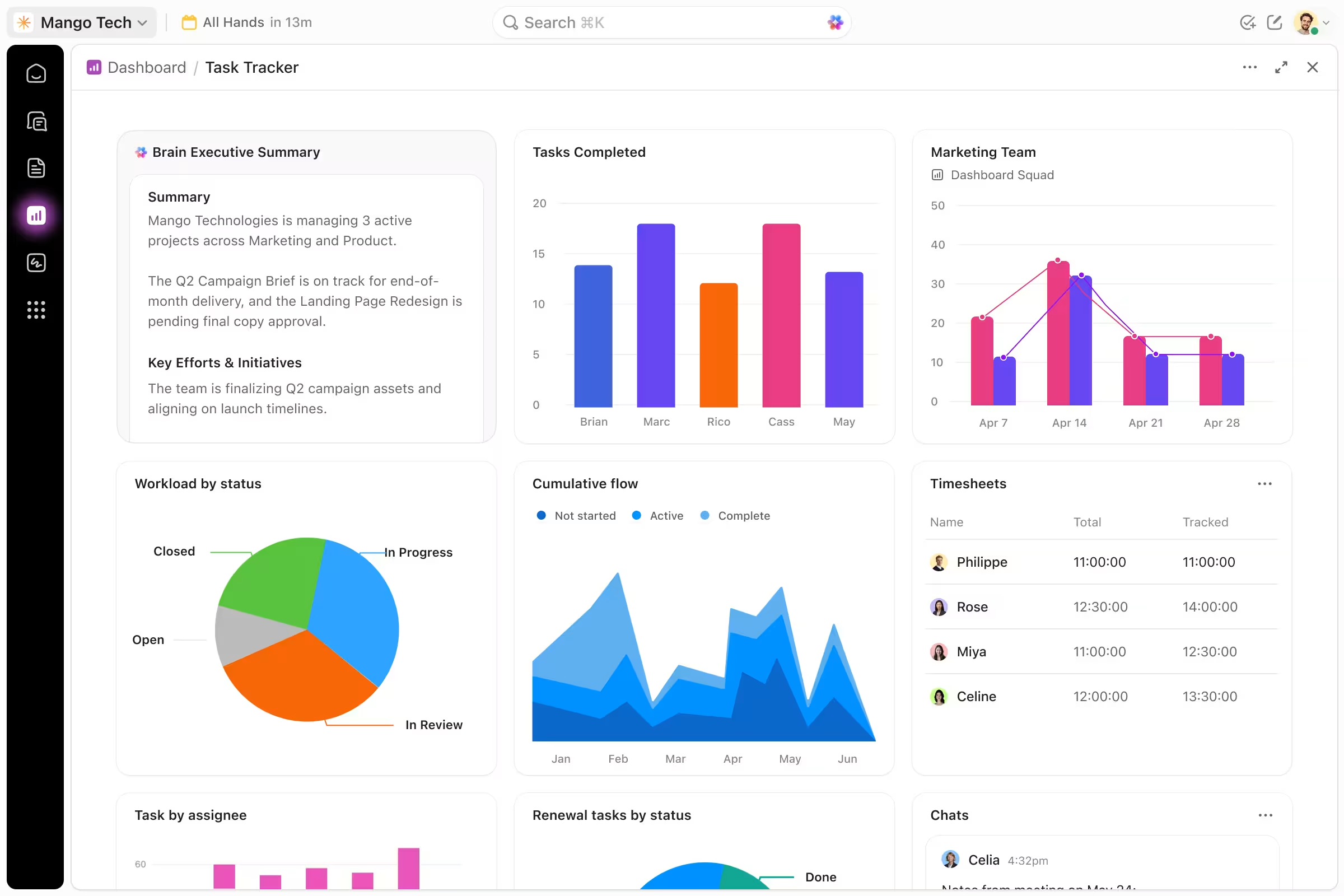
Real-Time Bandwidth & Capacity Heatmap
Balance workloads across developers, designers, and managers before project burnout happens.
Dispute-Free Billing & Retainer Audits
Export itemized time audit reports with screenshot receipts to guarantee 100% transparent client invoicing.
Reduce the Cost of a Fragmented Agency Software Stack
Agency software stacks often grow gradually.
One tool gets added for project management. Another handles time tracking. Another manages internal chat. Another is used for client communication. Capacity planning may live in a spreadsheet, while reporting depends on yet another platform.
Over time, this creates more than just subscription costs.
A disconnected stack can lead to:
Duplicate data
Repeated manual updates
API synchronization problems
Inconsistent project information
Increased software administration
More employee training
Context switching
Fragmented reporting
Higher monthly software spend
Collabix helps agencies bring several of these operational workflows into one connected environment.
Consolidate Project Management
Projects are at the center of agency operations.
Collabix provides tasks and subtasks, allowing teams to organize responsibilities, deliverables, and day-to-day work without relying on a separate task-management platform.
Teams can also use project boards for visual workflow management and project milestones for larger delivery phases.
Bringing these features together helps agencies connect detailed task execution with broader project progress.
Instead of maintaining project status across multiple systems, teams can work from a more consistent source of operational information.
Replace Separate Time-Tracking Tools
Time tracking is often managed independently from project delivery.
That creates extra work when timesheets need to be matched back to projects, clients, tasks, or retainers.
Collabix provides desktop time tracking, allowing recorded time to remain connected to actual project work.
The work diary gives teams additional visibility into recorded work activity.
Combining time tracking with project management can reduce the need to export, synchronize, or manually reconcile information between separate systems.
Bring Team Capacity Planning Into the Same Workspace
Agencies frequently manage capacity outside their main project-management platform.
That may involve spreadsheets, separate resource-management software, or manually maintained schedules.
Collabix provides team capacity planning, helping managers understand available bandwidth across the team.
The visual workload heatmap provides another view of workload distribution.
This gives agencies a clearer connection between:
Current assignments
Available capacity
Upcoming work
Team workload
Resource bottlenecks
Staffing requirements
Resource planning becomes more useful when it is connected directly to the projects consuming that capacity.
Combine Project Communication With Delivery
Communication becomes harder to follow when project conversations happen in a messaging tool while the actual work lives somewhere else.
Collabix provides project channels, helping teams keep project-specific discussions closer to the relevant work.
For broader collaboration, group discussions can support conversations involving several team members or departments.
Teams can also use direct chat for one-to-one communication.
Bringing communication closer to project activity can reduce lost context and unnecessary switching between messaging and project platforms.
Consolidate Client Collaboration
Client communication is another area where agencies often add separate tools.
Some teams use email, others use portals, shared documents, chat platforms, or dedicated client-collaboration systems.
Collabix provides client and guest collaboration, allowing agencies to involve external stakeholders in relevant workflows while maintaining controlled access.
For more advanced visibility controls, client roles and permissions help agencies separate internal information from client-facing activity.
This can reduce the need to maintain a completely separate system solely for client project visibility.
Centralize Client Feedback and Requests
Feedback becomes difficult to manage when clients send requests through email, chat, calls, documents, and project comments.
Collabix includes forms and feedback workflows, helping agencies collect client input in a more structured way.
This can support:
Project requests
Client onboarding
Creative feedback
Change requests
Approvals
Intake forms
Keeping client input closer to project execution can reduce the number of systems teams need to monitor.
Replace Separate Workload and Utilization Reporting
Agency leaders often need to combine information from several platforms just to understand how the team is being used.
Collabix provides member utilization insights, helping leadership review team resource usage alongside projects and capacity.
This gives operations teams more context around:
Billable utilization
Available capacity
Heavy workloads
Underused resources
Staffing requirements
When utilization information lives alongside project and workload data, agencies can reduce manual reporting and make resource decisions using a more connected operational picture.
Bring Agency Reporting Into One Platform
Fragmented software creates fragmented reporting.
Project data may come from one platform, time data from another, client information from another, and team capacity from a spreadsheet.
Collabix provides agency analytics and performance reports, bringing operational information closer together.
This can help leadership review:
Project activity
Team workloads
Utilization
Capacity
Tracked time
Delivery performance
The goal is not simply to create more dashboards. It is to reduce the amount of manual work required to assemble a usable view of agency operations.
Reduce API Sync Problems
When several agency tools need to exchange information, the agency becomes dependent on integrations staying accurate.
A field change, disconnected integration, delayed synchronization, or API limitation can cause important information to become inconsistent between platforms.
The current Collabix page specifically positions tool consolidation around eliminating API sync errors and unifying agency data. screencapture-thecollabix-solut…
Bringing core workflows into the same system reduces the number of integrations required simply to keep everyday operational information synchronized.
That does not mean integrations are unnecessary. It means agencies can reduce their dependence on integrations for workflows that can operate natively in one platform.
Reduce Context Switching
Every additional system creates another interface employees need to understand.
Switching constantly between tools can slow down work and make it harder for team members to maintain project context.
A project manager may otherwise need to:
Check project status in one platform
Review tracked time somewhere else
Open another system for workload
Search chat for project decisions
Check email for client feedback
Create reports manually
Collabix brings these workflows closer together so teams can spend less time navigating the software stack.
The current page's positioning around one clean interface directly supports this use case. screencapture-thecollabix-solut…
Lower Agency Software Subscription Costs
Tool consolidation can also reduce redundant subscription spending.
Agencies may be paying separately for:
Project management
Time tracking
Workload planning
Internal communication
Client collaboration
Reporting
Work verification
Not every agency will be able to replace every existing platform, and specialized tools may still be necessary.
But consolidating overlapping operational functions can help reduce duplicate software costs and simplify license management.
Agencies should compare their existing requirements against Collabix's available functionality before removing business-critical systems.
Simplify Employee Onboarding
A large tool stack makes onboarding harder.
New team members may need accounts, permissions, and training across several systems before they can work effectively.
A more consolidated environment can simplify the operational part of onboarding by reducing the number of interfaces new employees need to learn.
Agencies can also use checklists and SOP workflows to standardize recurring processes.
This can support repeatable onboarding steps and help new employees understand how agency workflows should be managed.
Standardize How Teams Work
Disconnected tools often lead to disconnected processes.
Different departments may develop completely different ways of managing projects, communication, time, and client work.
Collabix helps agencies create a more consistent operating environment across teams.
For agencies where departments need stronger coordination, cross-departmental collaboration helps connect shared delivery across creative, development, marketing, account management, and operations.
Standardization does not mean every team must work identically.
It means the agency can establish a common operational foundation.
Support Growing Agencies Without Continually Adding More Tools
Software fragmentation usually becomes worse as the agency grows.
Each new operational challenge can trigger the purchase of another platform.
Over time, this can create a stack that is expensive and difficult to maintain.
Collabix's agency management software for growing teams helps agencies connect project delivery, team capacity, client work, and reporting as operational complexity increases.
Instead of solving every growth problem with another standalone application, agencies can first determine whether the requirement can be handled inside their existing operations platform.
Give Agency Leadership One Operational View
Agency founders need broad visibility across the business.
When information is divided across several systems, leadership may depend on manually prepared reports just to understand what is happening.
Collabix provides dedicated agency operations workflows for founders, helping leadership connect projects, workload, utilization, client delivery, and reporting.
A more centralized data structure can reduce blind spots created by separate operational systems.
Decide Which Agency Tools Are Actually Necessary
Tool consolidation does not mean removing every specialized platform.
Agencies may still need dedicated systems for:
Accounting
Advertising platforms
Source control
Design
CRM
E-commerce
Development infrastructure
Specialized analytics
The better question is whether multiple tools are currently performing overlapping operational functions.
If separate systems are being used for tasks, time tracking, capacity, team communication, client collaboration, and agency reporting, consolidation may reduce unnecessary complexity.
Collabix is designed to bring many of these recurring agency operations into a more connected workflow.
Replace Tool Sprawl With One Connected Agency Workspace
Bring projects, tracked time, workloads, team capacity, communication, clients, and operational reporting closer together. Reduce unnecessary software complexity while giving your team one clearer place to manage agency delivery.
Frequently Asked Questions
Everything you need to know about this service.
Agency tool consolidation is the process of reducing the number of separate software platforms used for overlapping operational workflows and moving those functions into fewer connected systems.
Agency software stacks often grow gradually. Teams add tools to solve individual problems without reviewing whether existing platforms already provide similar functionality. Over time, this can create overlapping software and fragmented data.
Collabix includes tasks, subtasks, project boards, milestones, communication, and other project-management functionality. Whether it can fully replace an agency's existing system depends on that agency's specific requirements.
Collabix includes desktop time tracking and work-diary functionality that can connect recorded time directly with project workflows.
Collabix includes team capacity, workload heatmaps, and member-utilization functionality that can support resource and workload planning.
Collabix includes direct chat, project channels, and group discussions for agency communication. Agencies should compare these capabilities against any specialized communication requirements they currently have.
It can. Removing overlapping subscriptions may reduce software expenses, but actual savings depend on the agency's existing tool stack, pricing, and required features.
Agencies should review required features, integrations, data migration, security, user permissions, team workflows, and business-critical dependencies before discontinuing an existing platform.